PCOS Changes Its Name to PMOS: What Gut Research Has Revealed About Polycystic Ovary Syndrome
In May 2026, the medical community reached a historic milestone. The Endocrine Society, together with other global organizations, officially announced the renaming of Polycystic Ovary Syndrome (PCOS) to PMOS – Polyendocrine Metabolic Ovarian Syndrome (1) (Figure 1).
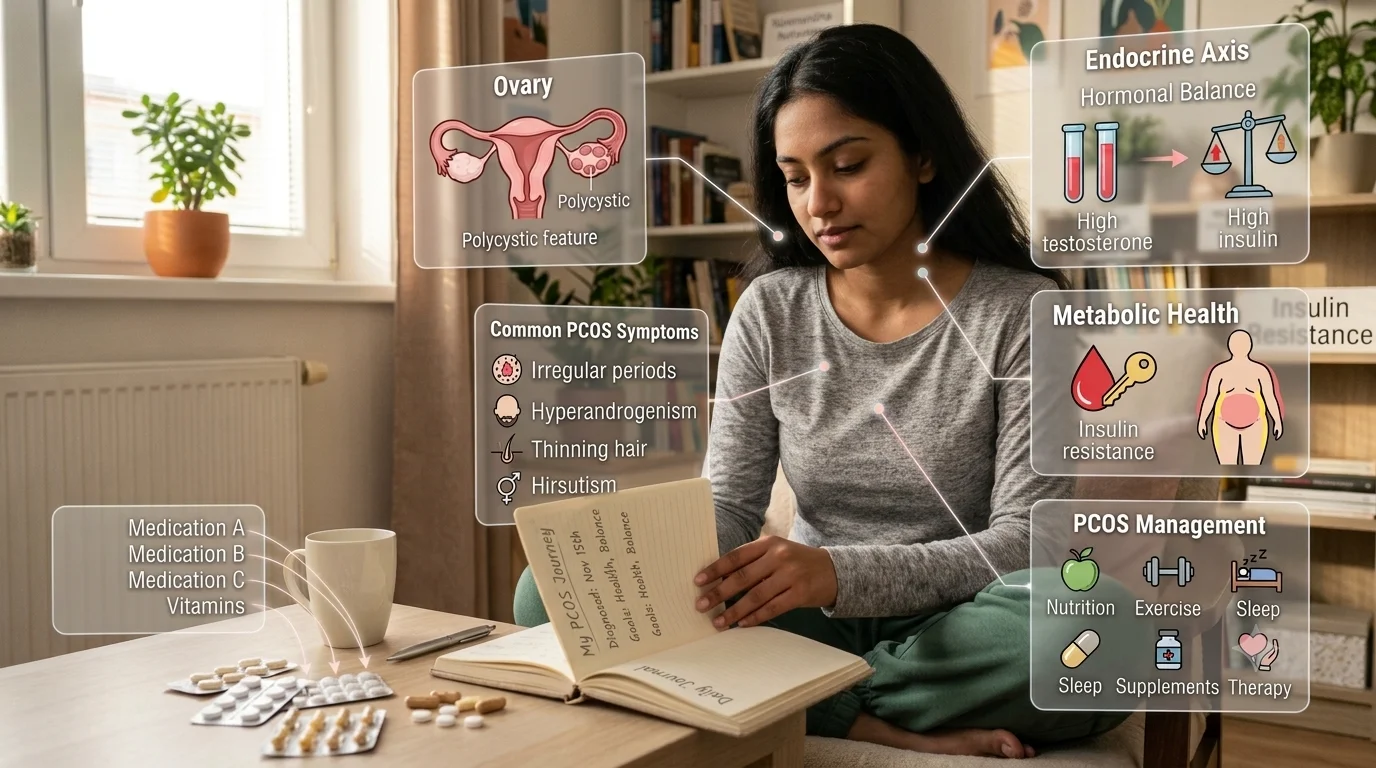
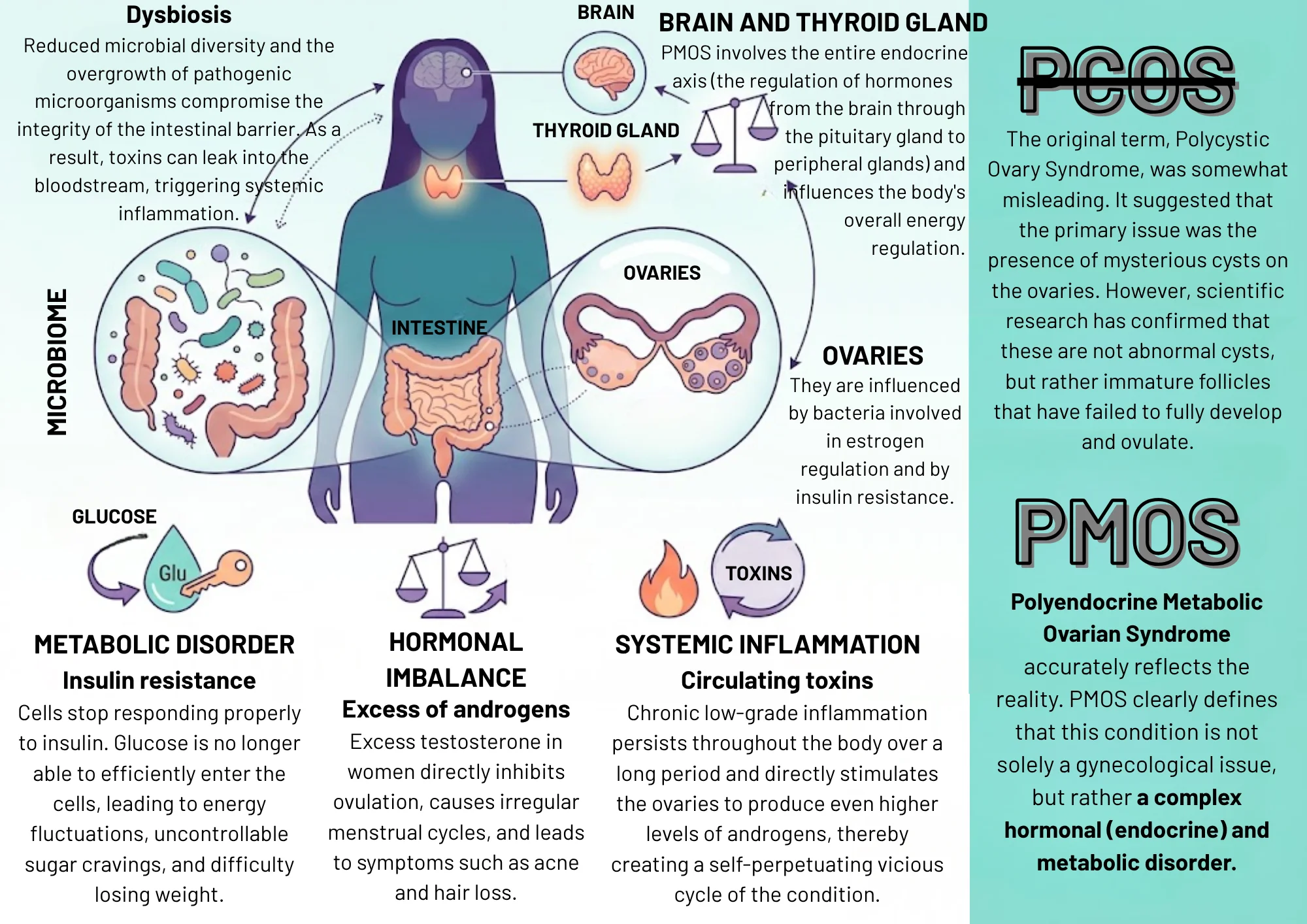
Figure 1: The transition from PCOS to PMOS and its complex impact on the body. The infographic illustrates the historical shift in terminology from Polycystic Ovary Syndrome (PCOS) to Polyendocrine Metabolic Ovary Syndrome (PMOS). The condition is no longer viewed solely as a localized gynecological disorder of the ovaries but rather as a complex endocrine and metabolic disorder in which the axis connecting the gut microbiome (gut dysbiosis), hormonal imbalance (elevated androgen levels), and metabolic alterations (insulin resistance and systemic inflammation) plays a central role.
Why this change after decades? The original name was misleading. It suggested that the core problem was ovarian cysts. However, research has shown that these are not abnormal cysts at all (they are simply immature follicles), and the condition is far more than a gynecological disorder. The new name, PMOS, finally reflects reality: it is a complex hormonal (endocrine) and metabolic disorder affecting more than 170 million women worldwide (1) (Figure 1).
Symptoms and Diagnosis: What Should You Look Out For?
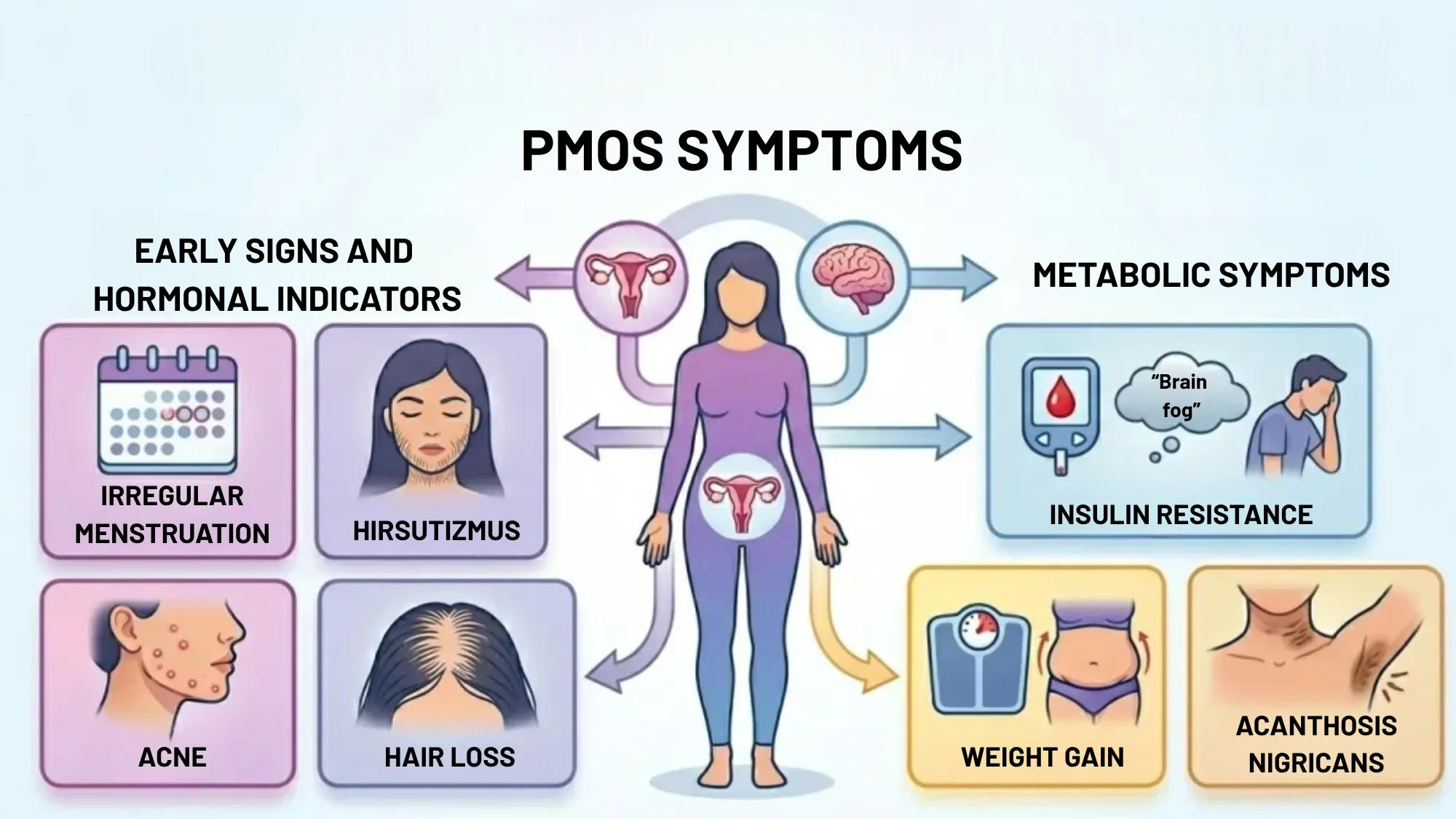
PMOS presents with a wide range of symptoms, which often make early diagnosis challenging. The main warning signs include:
- Irregular menstrual cycles or a complete absence of ovulation.
- Signs of hyperandrogenism (elevated levels of male hormones), including acne, hair thinning, and excessive hair growth (hirsutism).
- Metabolic complications, such as unexplained weight gain and difficulty losing weight.
Diagnosis is based on clinical hormone assessment, ovulation monitoring, and ovarian ultrasound imaging. Modern diagnostic approaches no longer focus solely on reproductive organs but evaluate the patient comprehensively, including her cardiometabolic risk profile (2).
A Key Player Behind the Scenes: The Gut Microbiome
One of the most fascinating areas of modern PMOS research is the gut–ovary axis. Studies confirm that women with this syndrome exhibit significant gut dysbiosis (an imbalance in the gut microbiome) (Figure 3). This is characterized by reduced diversity of beneficial bacteria and an overgrowth of potentially harmful microbial strains (3, 4).
This condition directly drives two major mechanisms involved in PMOS:
- Insulin Resistance: Dysbiosis leads to increased intestinal permeability. Toxic substances (lipopolysaccharides) enter the bloodstream and trigger chronic low-grade inflammation, which interferes with insulin receptor function (4) (Figures 1 and 3).
- Hormonal Imbalance: Certain gut bacteria (collectively known as the estrobolome) influence the metabolism and recycling of estrogens and androgens in the body (3, 4, 5) (Figures 1 and 3).
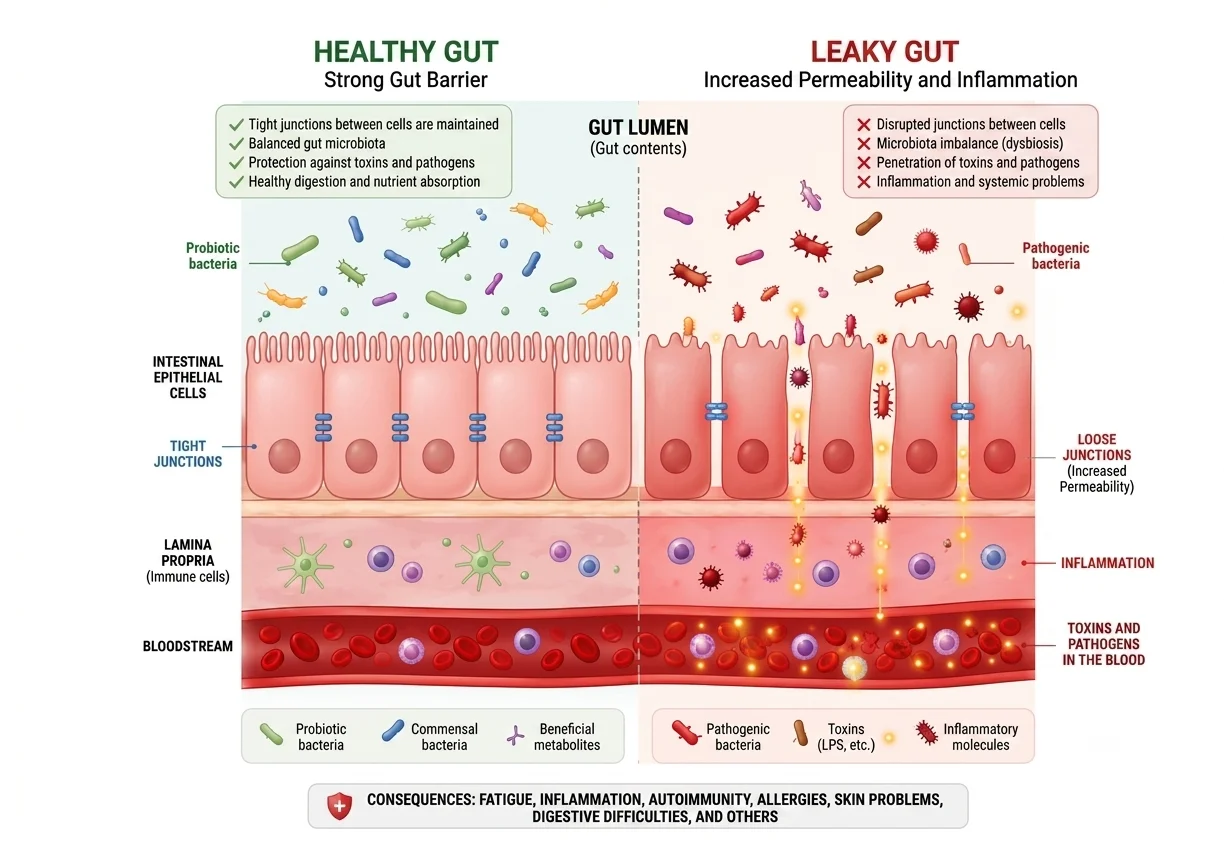
Figure 3: This illustration presents one of the key mechanisms through which gut dysbiosis may contribute to the development and persistence of PMOS—via increased intestinal permeability, systemic inflammation, and the resulting hormonal imbalance.
Treatment Options and New Hope in Probiotics
Because PMOS is a complex condition, its management requires a multidisciplinary approach. Standard treatment typically includes lifestyle modifications (such as a low-glycemic diet and resistance training), pharmacological support to improve insulin sensitivity (e.g., metformin) (4), and symptom-focused hormonal therapies. However, recent clinical studies published in ScienceDirect and PubMed suggest that targeted modulation of the gut microbiome can directly influence both metabolic and hormonal parameters.
- Optimizing Sugar Metabolism: Gut imbalance directly impairs the body's response to dietary intake. Targeted restoration of the microbiome helps improve cellular insulin sensitivity. In practice, this can lead to more stable energy levels throughout the day, reduced sugar cravings, and more effective weight management (Figure 4) (4).
- Reducing Androgen Levels: Improving the gut environment has been associated with lower levels of free testosterone and reduced ovarian overproduction of male hormones. This may help alleviate symptoms such as acne and hirsutism (excessive hair growth) (Figure 4) (4).
- Suppressing Systemic Inflammation: Probiotics help restore balance within the gut microbiota, reducing inflammatory markers throughout the body that can otherwise worsen PMOS symptoms (Figure 4) (4).
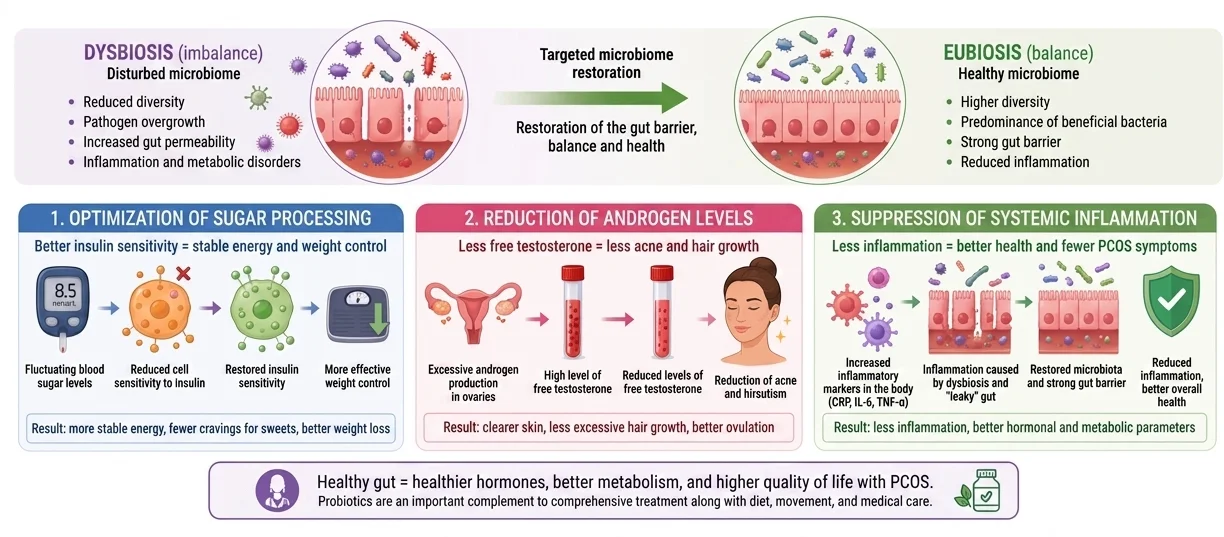
Figure 4: A healthy gut microbiome may positively influence both metabolic and hormonal processes in PMOS. Restoring microbial balance supports improved insulin sensitivity, reduces inflammation, and may help alleviate manifestations of hormonal imbalance.
Targeted Support: Which Probiotic Strains Actually Help?
Among the best-studied combinations are:
- Lactobacillus acidophilus and Bifidobacterium bifidum: These strains have been shown to reduce fasting insulin levels and improve HOMA-IR scores (a measure of insulin resistance). Their mechanism involves the production of short-chain fatty acids (SCFAs), which activate intestinal receptors and stimulate the release of GLP-1, thereby enhancing insulin sensitivity (6).
- Lactobacillus rhamnosus (e.g., GG): This strain significantly contributes to restoring the integrity of intestinal tight junctions. By preventing the leakage of endotoxins into the bloodstream, it helps suppress chronic inflammation that would otherwise stimulate excessive androgen production by the ovaries (6, 7).
- Lactobacillus casei: Studies have demonstrated its ability to reduce free testosterone levels and regulate SHBG (sex hormone-binding globulin), directly contributing to improvements in acne and hirsutism symptoms (6, 8).
Alongside dietary modifications, targeted supplementation with these probiotic strains is emerging as a cornerstone of modern, cause-oriented PMOS management.
Scientific Sources and References:
- Teede, H. J., et al. (2026). Polyendocrine metabolic ovarian syndrome, the new name for polycystic ovary syndrome: a multistep global consensus process. In The Lancet, 407: 2329-2339. https://www.thelancet.com/journals/lancet/article/PIIS0140-6736(26)00717-8/fulltext
- Teede, H. J., et al. (2023). The International PCOS Network Recommendations from the 2023 international evidence-based guideline for the assessment and management of polycystic ovary syndrome. In Eur J Endocrinol. 189:G43-G64. https://academic.oup.com/ejendo/article/189/2/G43/7242362?guestAccessKey=
- Li, J., et al. (2025). Exploring the interactions of gut microbiome and metabolites in polycystic ovary syndrome: a review. In Microbiological Research. 301: 128309. https://www.sciencedirect.com/science/article/abs/pii/S094450132500268X
- Sun, Y., et al. (2023). Gut microbiota dysbiosis in polycystic ovary syndrome: Mechanisms of progression and clinical applications. In Front Cell Infect Microbiol.13:1142041. https://pmc.ncbi.nlm.nih.gov/articles/PMC9998696/
- Ashonibare, V. J., et al. (2024). Gut microbiota-gonadal axis: the impact of gut microbiota on reproductive functions. In Front Immunol. 15:1346035. https://pmc.ncbi.nlm.nih.gov/articles/PMC10933031/#abstract1
- Miao, C., et al. (2021). Effects of probiotic and synbiotic supplementation on insulin resistance in women with polycystic ovary syndrome: a meta-analysis. In J Int Med Res. 49(7):3000605211031758. https://pmc.ncbi.nlm.nih.gov/articles/PMC8320576/
- Li, Y., et al. (2023). Effects of probiotics, prebiotics, and synbiotics on polycystic ovary syndrome: a systematic review and meta-analysis. In Crit Rev Food Sci Nutr. 63(4):522-538. https://pubmed.ncbi.nlm.nih.gov/34287081/
- Behroozilak, T., et al. (2026). Effect of Probiotic Supplementation on Reproductive Outcomes of Women With Polycystic Ovary Syndrome Who Are Candidates for Intrauterine Insemination: A Randomized, Double-Blind, Placebo-Controlled Trial. In Endocrinol Diabetes Metab. 9(2):e70185. https://pmc.ncbi.nlm.nih.gov/articles/PMC12956837/