Gut-brain axis
The gut–brain axis is a complex bidirectional communication system that connects the central nervous system (CNS), which includes the brain and spinal cord, with the enteric nervous system (ENS), located in the gastrointestinal (GI) tract. This system enables communication and feedback between...

The gut-brain axis is a complex, bidirectional communication system that connects the central nervous system (CNS), which includes the brain and spinal cord, with the enteric nervous system (ENS), which is located in the gastrointestinal (GI) tract. This system enables communication and feedback between the brain and the gut, influencing many aspects of human physiology and behavior.
The gut-brain axis involves various pathways, including neural, hormonal, and immunological routes. The ENS is sometimes referred to as the "second brain" because it contains more than 100 million neurons that regulate gut motility, secretion, and blood flow. The ENS communicates with the CNS via the vagus nerve (*Nervus vagus*), a large nerve that extends from the brainstem down to the abdomen.
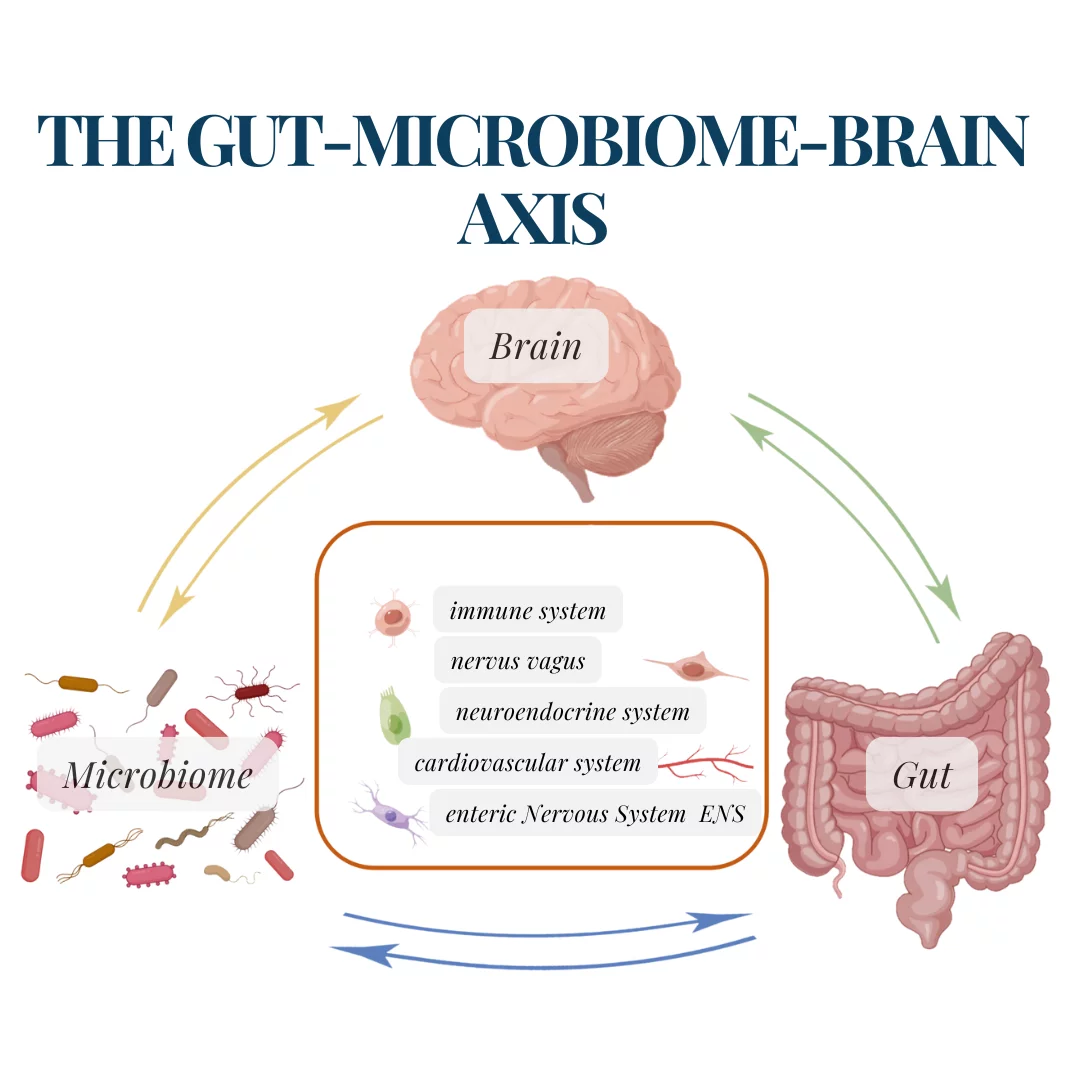
Fig. 1: The Gut – Microbiome – Brain Axis
The gut microbiome, which is the collection of microorganisms that live in the gut, also plays a role in the gut-brain axis. The microbiome can influence the ENS and CNS through the production of neurotransmitters and other signaling molecules.
Research has shown that the gut-brain axis is involved in a variety of physiological and psychological processes, including digestion, metabolism, immune function, mood, and behavior. Disruptions of the gut-brain axis are implicated in various health conditions, including inflammatory bowel disease, irritable bowel syndrome, anxiety, and depression.
https://www.iprobio.sk/video/1-vedeli-ste-ze-crevo-je-nas-druhy-mozog/
https://onlinelibrary.wiley.com/doi/full/10.1111/j.1365-2982.2012.01906.x