COVID-19 destroys the gut microbiome
Since the beginning of 2020, the world has been facing a global outbreak of the infectious disease COVID-19, caused by the SARS-CoV-2 virus, which leads to severe acute respiratory syndrome. Although COVID-19 is primarily a respiratory disease, a growing body of evidence suggests that...
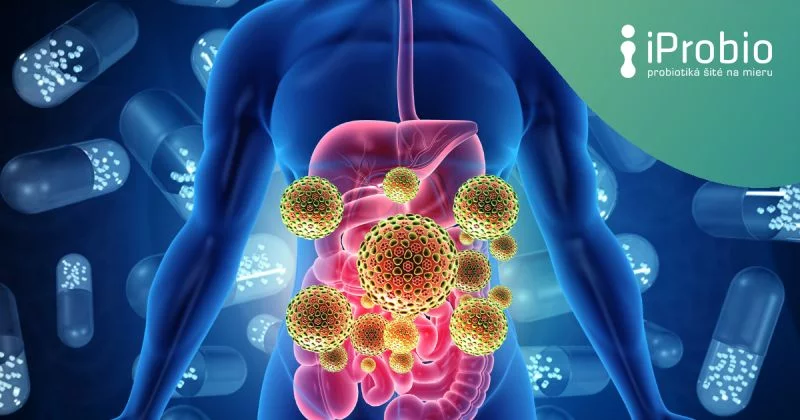
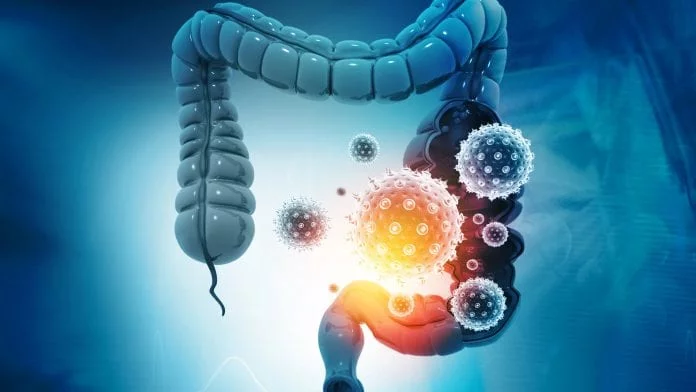
As early as early 2020, the world is facing a global outbreak of COVID-19, an infectious disease caused by the SARS-CoV-2 virus that causes severe acute respiratory syndrome. Although COVID-19 is primarily a respiratory disease, a growing body of evidence suggests that the gastrointestinal tract is also involved, which also explains why many people develop gastrointestinal symptoms such as nausea, vomiting, diarrhoea and abdominal pain in addition to acute respiratory syndromes. Research is therefore also beginning to investigate the association of these symptoms with COVID-19. Several authors have suggested that these symptoms may be caused by direct infection of enterocytes with SARS-CoV-2 via the "gut-lung axis" translated as "gut-lung axis" or via immunoregulatory mechanisms1-6.
In addition to the acute symptoms mentioned above, there are more and more cases of people suffering from post-covid syndrome ("Long Covid-19") characterised by weakness, fatigue, sleep problems, digestive problems such as diarrhoea, constipation, nausea and vomiting, headaches and many others. The study of this phenomenon reveals that an altered gut microbiome and gut dysbiosis may indeed be co-responsible for some post-covida symptoms.
Pathogenesis of COVID-19
To understand the possible link between the lungs and the gut, it is first necessary to discuss the pathogenesis of COVID-19 in more detail. SARS-CoV-2 primarily infects the respiratory system which can lead to the manifestation of multiple symptoms5. SARS-CoV-2 uses ACE2 - angiotensin-converting enzyme 2 - for its entry into the cell via a bond formed between the spike protein of the virus and ACE2 as a receptor. The ACE2 receptor is part of the renin-angiotensin-aldosterone system (RAAS), which is key in heart, lung and kidney disease and also in acute respiratory distress syndrome (ARDS). It is expressed in multiple organs, including the respiratory and gastrointestinal tracts, making the gastrointestinal tract a potential site for coronavirus infection as well. However, the ACE2 receptor is also expressed in other organs such as the kidney (Harmer 2002, Leung 2003 - in Gut microbiota and Covid-19 - possible link and implications p.1), liver, heart, bladder and brain5. In addition to its role in the RAAS system, ACE2 has other important functions. For example, ACE2 has been found to be involved in the regulation of intestinal antimicrobial peptide levels by stabilizing B0AT1. B0AT1 is a transporter of neutral amino acids such as tryptophan in the small intestine and also regulates the levels of intestinal antimicrobial peptides thereby maintaining intestinal stability. A 2013 study by Perlot and Penninger found that mice with ACE2 deficiency or impaired ACE2 expression lack B0AT1 in the small intestine, resulting in reduced tryptophan levels. Reduced tryptophan levels trigger chain reactions beginning with a failure to secrete antimicrobial peptides which contributes to an inability to modulate the composition of the gut microbiome and consequently a possible susceptibility to colonic inflammation6,7.
Meanwhile, impaired ACE2 expression can occur in the setting of viral infection, immune imbalance and intestinal bacterial dysbiosis and is also well known to occur in SARS-CoV-26 infection. Disruption of ACE2 functionality in the lung contributes to the pathophysiological process of virus-induced acute lung injury and, conversely, in the gut, intestinal inflammation occurs, as previously mentioned, due to disruption of relationships between gut microorganisms, regulation of amino acid homeostasis and innate immunity5.
The relationship and possible connection between the lungs and the gut
The human gut microbiota contains approximately1014 resident microorganisms including bacteria, archaea, viruses and fungi. Of the bacteria, Actinobacteria, Firmicutes, Proteobacteria and Bacteroidetes strains predominate in the gut of healthy individuals. The role of the gut microbiota is crucial because it provides a protective, trophic and metabolic effect that contributes to the overall health of the host. The interaction of the host with the microbiome is bidirectional and highly complex. While the microbiota obtains a suitable environment and nutrition from the host, the microbiome in turn assists the host in regulating a variety of physiological functions, including digesting food and providing protective immunity to pathogens. Alterations in the gut microbiome that lead to gut dysbiosis have been linked to the development of several diseases such as IBS - irritable bowel syndrome, type 2 diabetes, depression and cardiovascular disease. similarly, there is now evidence that both the gut microbiota and the lungs are characterised by the presence of different microorganisms that together constitute the lung microbiome3.
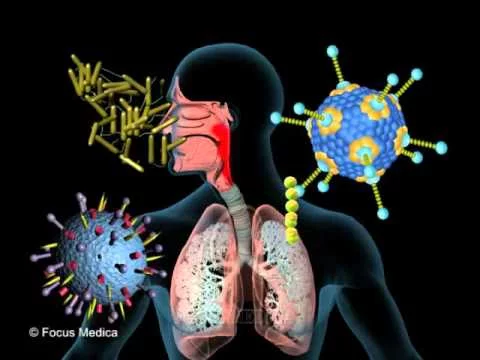
It is well established that the gut microbiota influences both innate and adaptive immunity, as well as the maintenance of intestinal homeostasis. This “gut microbiome–immune system” relationship is based on the production of signaling molecules by the gut microbiome that “tune” immune cells toward pro- and anti-inflammatory responses, thereby affecting susceptibility to various diseases. Therefore, a healthy gut microbiome is essentially crucial for maintaining an optimal immune system, while an excessively reactive or insufficiently reactive immune response can similarly cause clinical complications in diseases such as pneumonia, ARDS, and viral infections including COVID-193.
Although the “gut microbiome–immune system” interaction remains a focus of intense research, literature examining the gut microbiota and its role in certain pulmonary diseases is rapidly expanding, suggesting a bidirectional communication termed the “gut-lung axis.” This communication axis is thought to be bidirectional, meaning that endotoxins and bacterial metabolites influence the lungs via the bloodstream, while the lungs and processes occurring within them, such as pneumonia, impact the gut microbiome. This “revolutionary” perspective offers an intriguing hypothesis that SARS-CoV-2 may also affect the gut microbiome, which has been supported by several studies observing changes in gut microbiome composition in the context of respiratory infections3. One such study by Yeoh et al. focused on monitoring the gut microbiome of patients recovered from COVID-19 and reported a significantly altered gut microbiome composition compared to a control group. These patients had a microbiome depleted of gut bacteria with known immunomodulatory effects, such as Faecalibacterium prausnitzii, Eubacterium rectale, and certain Bifidobacterium strains1. Another study led by Gu et al. also found alterations in the gut microbiome of patients who had recovered from COVID-19, with significantly reduced bacterial diversity and an increased prevalence of opportunistic pathogens such as Streptococcus, Rothia, Veillonella, and Actinomyces8. Chen et al. further reported that microbiome diversity did not return to normal levels even six months after recovery9. Since these studies were conducted on relatively small patient cohorts, these findings require further verification, but these initial observations cannot be ignored. It is also important to consider that COVID-19 patients are often treated with antibiotics, which significantly affect gut microbiome modulation.
I want to strengthen my microbiome
In the context of the ongoing COVID-19 pandemic, it has become evident that the gut microbiota contributes to the course and severity of the disease. A disrupted gut microbiome triggers a cascade of reactions that may lead to critical disease progression4. One of the severe clinical manifestations of COVID-19 is pneumonia and progression to acute respiratory distress syndrome (ARDS), particularly in elderly patients and those with compromised immunity. In ARDS and sepsis, numerous experimental and clinical studies indicate that the gut microbiome plays a pivotal role in the pathogenesis of these conditions. Loss of gut bacterial diversity leads to intestinal dysbiosis, which can be associated with multiple diseases. Elderly patients and those with impaired immunity have a less diverse gut microbiome and often exhibit more severe clinical manifestations of COVID-19. Therefore, it would be interesting to investigate gut microbiome diversity as a potential predictive biomarker of COVID-19 severity3.
The composition of the gut microbiome is thus critical in many respects, and as previously mentioned, balanced and properly composed gut microbiota correlates with an adequate innate and adaptive immune response. Disruption of the “gut microbiome–immune system” connection is a cause of many chronic inflammatory conditions, such as ulcerative colitis and systemic multi-organ dysfunction, often accompanied by abnormal cytokine production. An impaired gut microbiome may contribute to increased pro-inflammatory cytokine production, known as a “cytokine storm,” which exacerbates the severity of SARS-CoV-2 infection4. An impaired gut microbiome can be conceptualized as the loss of beneficial microbes, growth and dominance of potentially harmful microbes, and ultimately, a reduction in microbial balance. Such a disrupted gut microbiome leads to epithelial breakdown and inflammation. Furthermore, a damaged gut microbiome may result in increased intestinal permeability, allowing pro-inflammatory bacterial products to enter the systemic circulation and trigger inflammatory cascades4.
Probiotics and COVID-19
Probiotics are non-pathogenic microorganisms that largely inhabit our body and are mostly represented in the gastrointestinal tract where they have an irreplaceable position. Thanks to their interaction with immune cells, probiotics play an important role in maintaining immune homeostasis, especially in the gastrointestinal tract. Other functions include maintaining intestinal pH and preventing colonization of the gut bypathogens2. There is now no doubt that probiotics have a significant presence in complementary nutrition and their use should be both preventive and therapeutic. the use of probiotic strains such as Bifidobacterium lactis significantly increases the proportion of mononuclear leukocytes as well as the tumoricidal activity of NK cells as has been demonstrated in a group of healthy elderly volunteers who participated in a study [3,10]. It is also known that the composition of the gut microbiome has a major impact on pulmonary immunity3,11. For example, a study that looked at gnotobiotic mice lacking a gut microbiome was found to have an impaired ability to clear pathogens in the lungs3,12. Another study, in turn, observed that mice with influenza viral infection had an increased abundance of Enterobacteriaceae bacteria in the respiratory tract and, conversely, reduced amounts of Lactobacilli and Lactococci bacteria3.
Because the composition of the gut microbiota is altered in patients with COVID-19, an alternative therapy using probiotics may be considered to combat SARS-CoV-2 infection. It is effective to do so not only in the fight, but also in prevention or to alleviate symptoms in "Long Covide". Next-generation probiotics, which are tailor-made for the patient based on the patient's actual gut microbiota composition, represent one very promising solution. In addition to taking probiotics, gut health can be improved by increasing daily intake of dietary fibre, which directly supports the growth of beneficial gut microorganisms that use fibre as a starting substrate for the production of short-chain fatty acids, which are very beneficial to the health of the host.
This article summarizes the interactions between the gut and lung microbiome along with the implication of the immune system in the overall relationship. As the gut microbiome plays such a significant role in the immune system, we conclude that the infection caused by SARS-CoV-2 needs to be studied in detail with regard to the function of gut and lung commensal microorganisms.
Author. Mária Bláhová, Department of Biotechnology, Faculty of Chemical and Food Technology, STU in Bratislava
Literature:
1.yeoh, Y. Gut microbiota composition reflects disease severity and dysfunctional immune responses in patients with COVID-19. Gut 70, 698-706 (2021).
2.rajput, S. et al. COVID-19 and Gut Microbiota: A Potential Connection. Indian J. Clin. Biochem. 36, 266-277 (2021).
3.dhar, D. & Mohanty, A. Gut microbiota and Covid-19- possible link and implications. Elsevier (2020).
4.burchill, E. et al. The Unique Impact of COVID-19 on Human Gut Microbiome Research. Front. Med. 8, 1-8 (2021).
5.kim, H. S. Do an altered gut microbiota and an associated leaky gut affect COVID-19 severity? MBio 12, 1-9 (2021).
6.chhibber-Goel, J., Gopinathan, S.. & Sharma, A. Interplay between severities of COVID-19 and the gut microbiome: implications of bacterial co-infections? Gut Pathog. 13, 1-6 (2021).
7.thomas Perlot, J. M. P. ACE2 - From the renin-angiotensin system to gut microbiota and malnutrition. (2013).
8.gu, S. et al. Alterations of the Gut Microbiota in Patients With Coronavirus Disease 2019 or H1N1 Influenza. doi:10.1093/cid/ciaa709.
9.lu, H. et al. Six-month follow-up of gut microbiota richness in patients with COVID-19. 0, 1-3 (2021).
10.gill, H. S., Rutherfurd, K. J., Cross, M. L.. & Gopal, P. K. Enhancement of immunity in the elderly by dietary supplementation with the probiotic Bifidobactedum lactis HN019. Am. J. Clin. Nutr. 74, 833-839 (2001).
11.bingula, R. et al. Desired Turbulence? Gut-Lung Axis, Immunity, and Lung Cancer, ( 2017).
12.fagundes, C. T. et al. Transient TLR Activation Restores Inflammatory Response and Ability To Control Pulmonary Bacterial Infection in Germfree Mice. J. Immunol. 188, 1411-1420 (2012).