Microbiome School – Celiac Disease
A diet rich in tryptophan alters the composition of the microbiota toward reducing gluten-associated inflammation.

How Gut Bacteria Can Trigger Celiac Disease
A diet rich in tryptophan changes the composition of the microbiota toward reducing gluten-associated inflammation.
What Is Already Known About Celiac Disease
Celiac disease is an immune reaction to consuming gluten, a protein found in certain grains including wheat and barley. Although 40% of the global population has a genetic predisposition to celiac disease, the disorder develops in only 1%. This suggests a role for environmental factors, including the gut microbiota. However, the relationship between celiac disease and gut microbes remains unclear.
Advances in Celiac Disease Research
Researchers working with mice found that a microbial metabolite of the dietary amino acid tryptophan binds to receptor proteins that can trigger immune responses in the gut. In mice expressing the celiac sensitivity gene, activation of this receptor promoted the development of celiac disease. However, a diet rich in tryptophan, as well as treatment with bacteria such as Lactobacillus reuteri, helped reduce gluten-induced inflammation.
Conclusion
These findings could point to new therapeutic approaches or dietary strategies for managing celiac disease.
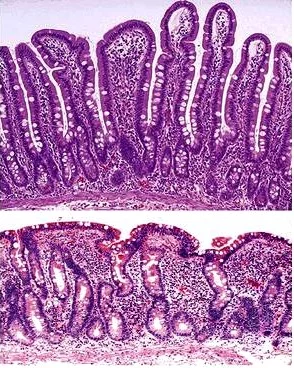
Coeliac disease, an immune reaction to a protein found in some cereals, is caused by a combination of genetic and environmental factors. Now scientists have found that the breakdown of dietary tryptophan by gut bacteria is altered in mice with the disease.
The findings, published in the journal Science Translational Medicine, may help explain why 40% of us have susceptibility genes for celiac disease, but only 1% develop the disorder. Researchers have pointed to a new treatment option for the condition.
"The only treatment for celiac disease is strict adherence to a gluten-free diet, which is difficult to follow and may not always lead to complete gut recovery or symptom resolution," says study co-author Elena Verdu of McMaster University in Hamilton, Canada.
Scientists know that some gut bacteria are able to metabolize the essential amino acid tryptophan. Tryptophan is found in foods including poultry, bananas and vegetables such as broccoli and cabbage. Intestinal bacteria break down tryptophan in the diet and produce metabolites that bind to receptor proteins in the intestine. One of these receptors is called the aryl hydrocarbon receptor (AhR), and aberrant activation of this receptor has been linked to inflammatory bowel disease.
Verdu and her colleagues therefore decided to investigate whether tryptophan metabolism was altered in the gut of mice expressing the celiac disease susceptibility gene.
Alleviating symptoms
The celiac-susceptible mice were exposed to gluten and then subjected to three interventions aimed at increasing AhR activation.
The researchers found that a diet rich in tryptophan shifted the composition of the microbiota in the rodents to produce more molecules that are able to bind to AhR, which in turn reduced gluten-related inflammation.
Treatment with bacteria, including Lactobacillus reuteri, which produce AhR ligand molecules, also reduced celiac inflammation in the rodent gut. Similar results were observed after treating mice with a drug called Ficz, which increases AhR activity.
Treatment of celiac disease
Next, the team analysed stool samples from people with coeliac disease. Compared to healthy people and those with disease in remission from a gluten-free diet, individuals with active celiac disease produced fewer AhR ligand molecules and showed impaired intestinal activation of the AhR pathway.
The findings suggest that celiac disease is associated with a reduced ability of the gut microbiota to metabolize tryptophan. They also point to the potential of modulating the gut microbiome to improve tryptophan metabolism. This will allow better control of celiac symptoms.
"Our results should lead to intervention studies in this group of patients to evaluate tryptophan supplementation in combination with probiotic organisms, such as L. reuteri strains that produce AhR ligands from the food substrate," the researchers say. "This therapeutic approach could also be useful as a preventive strategy in at-risk populations."
In addition to Lactobacillus reuteri, a number of other probiotic strains enter the inflammatory process with their specific effects. By properly combining these strains in specific patients, we can significantly improve your quality of life with celiac disease or gluten intolerance.
Author. Norbert Bomba
Lamas B. et al, "Aryl hydrocarbon receptor ligand production by the gut microbiota is decreased in celiac disease leading to intestinal inflammation" Science Translational Medicine 21 Oct 2020: Vol. 12, Issue 566, eaba0624, DOI: 10.1126/scitranslmed.aba0624