Histamine intolerance: causes, symptoms, and treatment
Histamine intolerance can resemble an allergy or other diseases. Read more about its symptoms, triggers, food sources, and treatment options.
Although histamine intolerance (abbreviated HIT) has been increasingly discussed in recent years, it is a relatively rare phenomenon that affects a small percentage of the population (estimates range from 1-5%). Most of the time, its symptoms resemble those of food allergy or celiac disease. So how to distinguish it? In which foods can histamine be found and can this intolerance be treated? Read on to find out.
What is histamine?
Histamine is a biologically active substance that is found in a wide variety of living organisms. From plants to animals to the human body. It is therefore formed naturally in our bodies, but we also ingest it from our diet.
Histamine itself is responsible for a wide range of physiological reactions. For example, it transmits chemical signals, triggers the release of stomach acid, which makes us digest, or helps us in an allergic reaction, when it causes sneezing or other manifestations by which the body tries to get rid of the allergen.
Histamine is therefore important, but only in adequate amounts. When there is an excess of histamine, various problems occur, which we collectively call histamine intolerance.
What is histamine intolerance?
Intolerance occurs as a result of insufficient function of the enzymes that break down histamine in our body (complex substances must first be broken down and then digested). In the case of histamine, which we take in from food, we are mainly talking about the enzyme diaminooxidase (DAO).
The function of this enzyme can be influenced by several factors, in addition to food, several types of drugs, alcohol, chronic stress, trauma or temperature extremes. It has been shown that inflammatory diseases of the gastrointestinal tract (ulcerative colitis, Crohn's disease), for example, can also be related to a lack of DAO enzyme function.
Histamine intolerance can also be congenital - in this case the function of the DAO enzyme is impaired from birth. However, the occurrence of this form is more or less rare, and the most widespread is just acquired histamine intolerance.


Symptoms of histamine intolerance
Symptoms of histamine intolerance vary from person to person. However, the most common ones include:
- headache, migraine,
- runny nose, stuffy nose,
- fatigue,
- hives on the skin,
- indigestion,
- irregular menstrual cycle,
- nausea, vomiting.
Occasionally, more serious symptoms may occur such as:
- abdominal cramps,
- swelling of various parts of the body (eyes, mouth, less often throat),
- high blood pressure,
- irregular heart rhythm,
- dizziness
- insomnia.
Symptoms of histamine intolerance often resemble food allergies, other intolerances, or digestive diseases. Alternatively, it may be a combination of different diagnoses (e.g. in conjunction with lactose intolerance or coeliac disease).
It is therefore advisable to seek medical advice when you are experiencing difficulties and to have a doctor determine your diagnosis by appropriate tests. Do not skip important food components just because you think you may have a histamine intolerance.
In what foods is histamine found?
Histamine is found in almost all foods. But don't worry, not all foods contain it in similar amounts - we find significantly more of it in aged, fermented or preserved foods.
Foods rich in histamine:
- alcohol,
- ripened cheese,
- canned, pickled and fermented foods,
- smoked products,
- legumes such as chickpeas, soya or lentils,
- ready meals (due to preservatives),
- yoghurt,
- chocolate and cocoa,
- peanuts and other salted snacks,
- most citrus fruits,
- spinach, tomatoes, aubergines, avocados,
- strawberries, bananas, cherries, pineapple,
- spices such as cinnamon, cloves, chilli.
In addition, there are also foods that promote the release of histamine or block the proper function of enzymes (black or green tea, alcohol...). The temporary form of histamine intolerance can occasionally bother anyone, but with long-term difficulties we are already talking about the chronic form.
Food allergy vs. histamine intolerance
The main difference between allergy and intolerance lies in the mechanism. In an allergy, the allergen itself interferes with the body, to which it overreacts. In intolerance, it is not the substance itself that is the problem for the body, but its excess (in the case of HIT, it is histamine). This occurs when the body lacks sufficient enzyme to break down histamine efficiently.
It is important to know that a person who suffers from histamine intolerance is not automatically allergic and vice versa.
Treatment of histamine intolerance
If your doctor has confirmed you have a chronic form of histamine intolerance, he or she will most likely recommend a strict diet to eliminate histamine in your diet. However, this is not possible completely and therefore you should focus on foods that contain a minimum of histamine. The exact list is not fixed, however, and therefore it is ideal to set up your dietary regimen in collaboration with a certified nutritional counselor and monitor your condition closely.
Another part of the treatment can be dietary supplements that contain the DAO enzyme and are always taken before meals. If you regularly take medications that may affect your body's histamine levels, your doctor may change them for you. Reducing the causes of stress will also help.
The latest scientific evidence shows that histamine intolerance can result from disruption of the gut wall, microbiota and digestion. Therefore, it is important to also focus on correcting the microbiome and treating the gut wall. In this case, probiotics should be reached for. ( However, in the rare congenital form of intolerance, they may or may not help. The important thing is to consult the experts and choose the right ones.)
Probiotics and histamine intolerance
It is a fact that certain bacteria can produce histamine - for example, those responsible for fermentation. Other bacteria can break it down and some have no effect on it. Also, probiotics are bacteria, specifically cultures of microscopic organisms that can be highly beneficial (but also harmful) to our health.
Specifically in the case of histamine intolerance, they can be helpful if we supply the body with those strains that can break down histamine and those that help heal a compromised intestinal wall. But how do we know which ones they are?
People diagnosed with histamine intolerance (possibly in conjunction with other allergies and intolerances) are advised not to experiment with probiotics, precisely because some of them encourage histamine production, which would make the overall condition worse.
Personalised probiotics
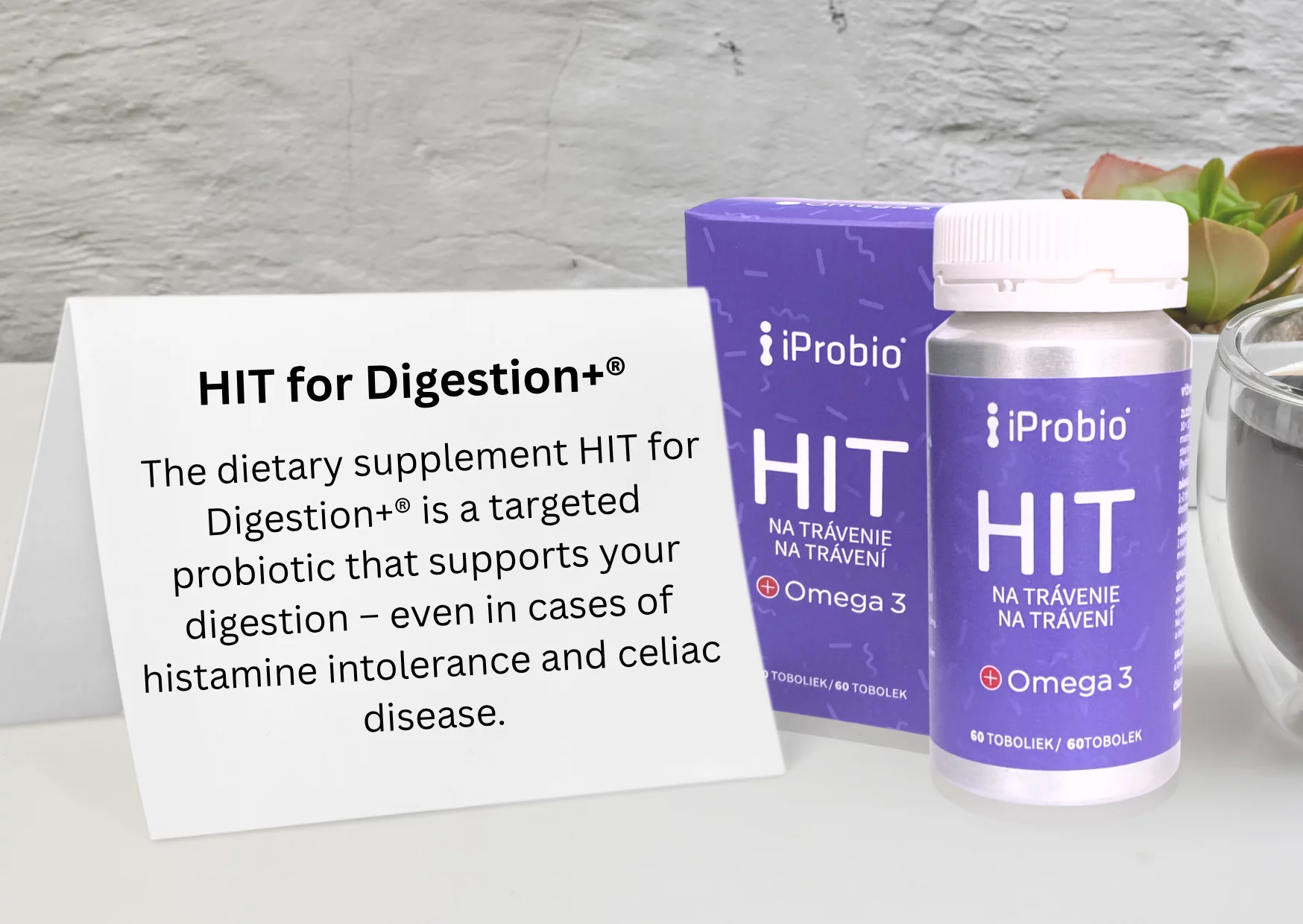
Personalized medicine, however, solves this problem. It is now possible to perform a microbiome analysis and determine what the composition of your gut microbiome is and which specific strains you are missing. In this way, we can supply the body with the bacteria that are helpful in breaking down histamine or regenerating a damaged intestinal wall.
Thanks to iProbio, you can also undergo such an analysis in Slovakia. The basis is then a customized mix of probiotics, which we will send you as a three-month treatment. You can do all this from the comfort of your own home, because a courier will take care of everything.
Moreover, our quality is guaranteed by an international scientific committee made up of professors, researchers and doctors with a wealth of experience. Do not hesitate to put your histamine intolerance problems in the hands of professionals.