Ancient feces reveal dramatic changes in the human microbiome over the past 2,000 years.
A new study published in Nature highlights the importance of the evolutionary history of the human microbiome for understanding how modern gut microbes influence our health and disease.
A new study published in Nature highlights the importance of the evolutionary history of the human microbiota for understanding the impact of current gut microbes on our health and disease.
What is already known about this topic
Several studies have shown that people living in industrialised societies have a less diverse gut microbiota than individuals from non-industrialised populations. Industrial microbiotahas also been linked to an increase in chronic diseases such as obesity and autoimmune diseases. How the gut microbiota has evolved over time, however, remains a mystery.
What this research adds
The scientists analyzed human feces from about 1,000 to 2,000 years ago, which were found in the southwesternUnited States and Mexico. From these samples, the team reconstructed nearly 500 microbial genomes, 181 of which appear to be of human intestinal origin. About 40% of these genomes have never been described before, suggesting the presence of species that differ from those observed in modern populations. By comparing the genomes of these microbes with those of contemporary gut microbiota from industrial and non-industrial populations, the researchers found that the ancient microbiota are similar to those of contemporary individuals from non-industrial societies.
Conclusion
The findings shed light on the evolutionary history of the human microbiota and may help to understand the role of gut microbes in health and disease.
Over the past 2,000 years, the communities of microbes inhabiting the human microbiota have undergone substantial changes, which may explain how the composition of the contemporary gut microbiota is linked to the development of long-term disease. This is the conclusion of an analysis of ancient feces from North America.
The findings, published in Nature, shed light on the evolutionary history of the human microbiota and may help to understand the role of gut microbes in health and disease.
Several studies have shown that people living in industrialised societies have a less diverse gut microbiota than individuals from non-industrialised populations. The industrial microbiota has also been linked to an increased incidence of chronic diseases such as obesity and autoimmune diseases. How the gut microbiota has evolved over time, however, remains a mystery.
"When we study people today - anywhere on the planet - we know that their gut microbiomes have been influenced by our modern world, whether by diet, chemicals, antibiotics, or a host of other things," says study co-author Meradeth Snow at the University of Montana. "So understanding what the gut microbiome looked like before industrialization helps us understand what's different in today's gut," she says.

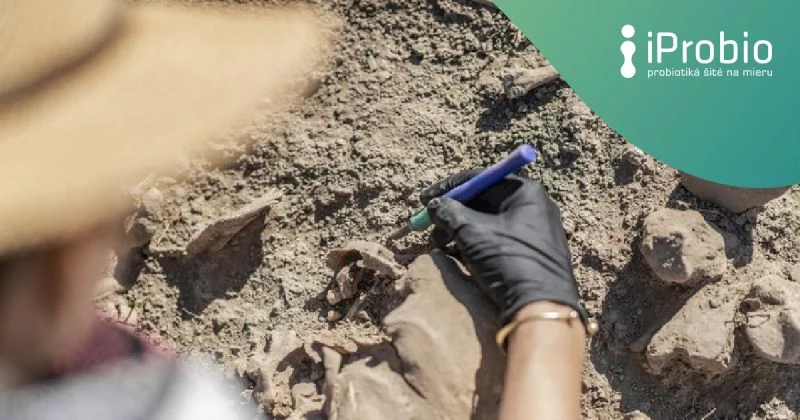
A team of scientists led by Aleksandar Kostic at Harvard Medical School analysed eight well-preserved samples of human feces from roughly 1,000 to 2,000 years ago found in the southwestern US and Mexico to reconstruct ancient microbial genomes.
Ancient microbes
From the ancient faecal samples, the scientists reconstructed 498 microbial genomes, 181 of which appear to be of human gut origin. Of these, 61 - or about 40% - have never been described before, suggesting the presence of species that differ from those observed in modern populations.
Next, the team compared the ancient feces with those of individuals from industrialized and non-industrialized contemporary populations. The microbial composition of the ancient fecal samples was more similar to the non-industrialized samples than to the industrialized samples. For example, Bacteroidetes andVerrucomicrobia were more common in samples from industrialized populations than in ancient samples, whereas Firmicutes, Proteobacteria, and Spirochaetes were less abundant in industrial samples than in ancient feces.

The bacterium Treponema succinifaciens was not present in any of the industrial population samples, but was present in all eight ancient microbiota analyzed, the researchers found. "In ancient cultures, the foods you eat are very diverse and may support a more eclectic collection of microbes," Kostic says. "But as you move toward industrialization and more scale in the grocery store, you lose a lot of the nutrients that help support a more diverse microbiome."
Modern diseases
Further analysis showed that contemporary gut microbiota from both industrialized and non-industrialized populations contained more antibiotic resistance genes than ancient stool samples. Modern samples also had a higher number of genes that produce proteins that degrade the intestinal mucus layer. Degradation of the protective mucus layer of the intestine can result in inflammation, which is associated with a variety of intestinal diseases.

On the other hand, ancient stool samples and samples from individuals in non-industrialised societies contained several genes associated with starch metabolism - presumably because these populations consume more complex carbohydrates than the current industrialised population.
Scientists say that studying microbes found in ancient stool samples could help fight diseases such as diabetes that are common in industrial societies.
Author. Norbert Bomba
Sources:
- https://www.nature.com/articles/s41586-021-03532-0
- ;">https://microbiomepost.com/ancient-feces-reveal-dramatic-changes-in-the-human-microbiota-over-the-past-2000-years/;