How the Microbiome Changes the Game: Athlete Performance, Recovery, and Health in a New Light
Do you sometimes feel tired despite quality training and a balanced diet? Maybe you’ve tried everything – from dietary supplements to sleep routines and recovery strategies – yet you still feel like something isn’t working. What if the answer is hidden in your gut?
The gut microbiome – the complex community of microorganisms in our digestive tract – has recently become the focus of attention not only for doctors but also for sports coaches and nutritionists. Why? Because it influences far more than just digestion. The microbiome contributes to immune regulation, vitamin synthesis, inflammation control, and even mental balance – all factors that directly affect athletic performance, endurance, and recovery ability.
Many active people focus on nutrition, training methods, or dietary supplements, but often overlook gut health. The microbiome may be the quiet yet key player that determines how efficiently you handle physical stress and how quickly you recover.
Here are 5 claims about the connection between the microbiome and sports. They may sound almost too good to be true – are they just myths, or do they hide verified facts?
Read carefully; we will revisit them at the end of the article and evaluate everything.
- The gut microbiome may determine how much energy we obtain from fiber.
- There is a cytokine that causes inflammation during illness but simultaneously promotes fat burning and muscle recovery during physical activity.
- Regular exercise can influence the composition of the gut microbiome and support its natural development.
- Recovery is not just rest but an active and essential part of training – progress cannot be achieved without it.
- Some gut bacteria digest fiber only to feed other bacteria – which then produce compounds crucial for our health.
Gut microbiome – the foundation of health and performance
The field of gut microbiome research has recently gained significant attention – and for good reason. You have probably heard something about it and have a basic understanding. However, to maintain accuracy and expertise in this article, let’s start with a clear explanation of what the gut microbiome actually is.
The gut microbiome represents the collection of all microorganisms – primarily bacteria, but also viruses, yeasts, and archaea – that naturally inhabit our digestive tract, mainly the large intestine. It is estimated that the number of these microorganisms is roughly equal to or slightly higher than the number of human cells. Though tiny, their genetic material contains up to a hundred times more genes than the human genome – and it is precisely because of this that they play a key role in our health, immunity, and performance (Thursby & Juge, 2017).
Because of this scope and complexity, humans and their gut microbiome are often referred to as a superorganism – a functional unit in which our cells and microorganisms collaborate for health. The microbiome influences nutrient digestion, vitamin production, immune balance, regulation of inflammatory processes, and even gut–brain communication.
A diverse gut microbiome also contributes to protection against pathogens, strengthening the intestinal barrier, and reducing gut permeability (the so-called “leaky gut”). However, if it becomes disrupted – a state known as dysbiosis – these vital functions may weaken, leading to increased susceptibility to infections, inflammation, or digestive disorders (Thursby & Juge, 2017).
If you aim for long-term performance improvement, it’s important to pay attention not only to nutrition and training but also to the micro-ecosystem that regulates these processes in the background – the gut microbiome.
Microbiome and energy yield: More energy from food
Our diet often contains polysaccharides – complex carbohydrates found, for example, in whole grains, legumes, vegetables, and fruits. Although our body cannot fully break down these components on its own (we lack the necessary enzymes), they should not be seen as redundant. On the contrary – they are a key food source for the “good” gut bacteria, i.e., our microbiome.
Gut bacteria possess “equipment” that the human body lacks – hundreds of specialized enzymes capable of breaking down polysaccharides into smaller compounds usable as an energy source. These bacteria are equipped with specialized enzymes known as CAZymes (carbohydrate-active enzymes), including glycosidases, polysaccharide lyases, and carbohydrate esterases. Thanks to these enzymes, they can break down complex sugars into smaller molecules through a process known as fermentation. This process leads to the production of beneficial compounds, such as short-chain fatty acids (SCFAs), which have important effects on our health and energy metabolism.
An example is bacteria of the genus Bacteroides, specifically Bacteroides thetaiotaomicron, which are among the best-equipped species: they possess hundreds of CAZyme enzymes that allow them to process a wide range of complex polysaccharides (Fu et al., 2022; Zhang et al., 2018).
Why are SCFAs so important for energy yield?
Fermentation of fiber in the large intestine produces short-chain fatty acids (SCFAs) – primarily acetate, propionate, and butyrate. These compounds form an important link between the gut microbiome and the host’s energy metabolism.
Butyrate serves as the main energy source for colon cells, directly supporting gut health and tissue regeneration (Zhang et al., 2018). Acetate and propionate are absorbed into the bloodstream, where they participate in processes such as gluconeogenesis – the formation of glucose from non-carbohydrate sources, such as propionate, helping maintain blood sugar levels – and lipogenesis, i.e., fat synthesis from excess energy, where acetate can serve as a building block (Fu et al., 2022).
Through these mechanisms, the gut microbiome can help extract energy even from fiber (Macfarlane & Macfarlane, 2012). This phenomenon significantly improves the overall energy yield from the diet and supports a balanced metabolic response. SCFAs also play a role in regulating appetite, blood glucose levels, and inflammatory processes, making them a key link between diet, microbiome, and performance.
How fiber affects the gut microbiome: the key role of fermentation and cross-feeding
Fiber fermentation plays a crucial role in maintaining balance in the digestive tract and producing valuable metabolites.

Fig. 1: Fermentation of fiber in the gut microbiome (Fu et al., 2022).
One of the fascinating processes in the gut is so-called cross-feeding, meaning the mutual sharing of fiber between different bacterial species. Some gut bacteria – known as primary degraders – can break down complex polysaccharides such as inulin or resistant starch into simpler compounds. These then serve as food for other microorganisms – secondary degraders, among which we find butyrate producers, one of the most important short-chain fatty acids (SCFA).
During fermentation (breakdown) of fiber by the gut microbiome, various important metabolites are produced – such as hydrogen (H₂), methane (CH₄), carbon dioxide (CO₂), lactate, succinate, and the aforementioned SCFAs. These substances significantly contribute to the balance of the gut environment, strengthen the intestinal barrier, support the immune system, and serve as an energy source for intestinal cells.
Fiber fermentation in the large intestine naturally influences the composition of the gut microbiome by promoting the growth of beneficial bacteria, which subsequently produce enzymes capable of breaking down complex sugars. Since the human body cannot produce these enzymes itself, cooperation with gut bacteria is essential for the effective processing and utilization of fiber in the human body (Fu et al., 2022).
Can the microbiome determine how many calories we absorb from fiber?
While fiber has traditionally been labeled as “non-caloric” in nutritional terms, modern research shows that its energy contribution depends on the composition of the gut microbiome.
The mechanism is quite simple: fiber consumed in the diet serves as a substrate for bacteria living in the large intestine. These bacteria break it down (ferment it) into various metabolites, primarily short-chain fatty acids (SCFA). These compounds are then absorbed by the gut and used as an energy source by the host (Rios-Covian et al., 2016; Makki et al., 2018).
If a person has a sufficiently rich representation of fermentation-active beneficial bacteria in the gut, they can obtain more energy from the same amount of fiber than someone with a less diverse gut microbiome.
Simply put: the microbiome acts as a biological filter that determines whether we get 0 %, 5 %, or 10 % of additional energy from fiber. Therefore, the caloric value of fiber is not fixed – it is individual and depends on the composition of the microbiome.
Which type of fiber is truly beneficial for the microbiome?
Even though supporting the gut microbiome is quite a simple process, there is still something to keep in mind. You may ask what that is? To find the answer, we need to go back to the very beginning of the process – to the intake of fiber itself.
Not all types of fiber are equally usable by gut bacteria. Therefore, it is very important to pay attention to the quality of the fiber consumed. To support the microbiome composition, fiber must meet three basic conditions:
- It must be fermentable – meaning degradable by bacteria in the large intestine.
- It must be soluble – forming a gel-like substance in water that is biologically available to bacteria.
- It must be prebiotic – selectively promoting the growth of beneficial bacterial species such as Bifidobacterium and Lactobacillus.
To support the balance of the gut microbiome and maximize the benefits of fiber, the ideal fiber is one that is soluble, fermentable, and prebiotic at the same time. Such types include inulin, fructooligosaccharides (FOS), galactooligosaccharides (GOS), and beta-glucans (Guan, Yu & Feng, 2021).
Microbiome and Athletic Performance: A Look at the Role of the Microbiome in Exercise
Have you ever wondered how your gut bacteria might influence your athletic performance? An athlete’s performance depends not only on muscles or a healthy heart — an increasing number of studies show that the gut microbiome also plays a crucial role. Its composition can affect not only the amount of energy extracted from food but also physical performance, recovery rate, inflammation levels, and overall metabolism. So how does the microbiome modulate athletic performance — and what might that mean for you?
➡️ Reduced Inflammation
One of the most significant benefits of a diverse gut microbiome is its ability to reduce inflammation. Fewer inflammatory cytokines (signaling molecules that activate inflammatory processes in the body) mean less tissue damage, lower oxidative stress (a state where the balance between free radicals and antioxidants is disrupted), and faster recovery after exercise. Conversely, chronic low-grade inflammation can slow recovery, disrupt hormonal balance, and lead to stagnation or even a decline in performance (Fernández-Lázaro et al., 2023).
➡️ Metabolic Efficiency
Another major benefit is improved metabolic efficiency — the body’s ability to effectively convert and utilize nutrients for energy. A diverse gut microbiome enhances the absorption of essential amino acids (amino acids the body cannot synthesize and must obtain from food — for example, leucine, lysine, and valine), antioxidants (compounds that protect cells from damage caused by free radicals), and micronutrients (vitamins and minerals necessary for proper body function). These compounds are crucial for protein synthesis, muscle fiber repair, and protection against training-induced stress (the physical strain that temporarily damages muscles and triggers inflammatory and adaptive processes in the body). The result is a more stable energy balance during exercise and more effective recovery afterward (Mach & Fuster-Botella, 2017).
➡️ Differences in Gut Microbiome Composition
According to research, the composition of the gut microbiome is also reflected in various athletic parameters. These include lactate levels (the amount of lactic acid in the blood, produced during intense muscle activity, indicating workload and fatigue), time to exhaustion in a VO₂ max test (a test that measures the body’s maximum capacity to use oxygen during intense exercise), and the levels of the aforementioned inflammatory markers. The microbiome is therefore not only a reflection of diet but also an active modulator of performance and the body’s response to training load (Scheiman et al., 2019).
To understand athletic performance comprehensively, we must view the microbiome as an essential part of physiological balance. It influences not only nutrient absorption and processing but also how the body handles stress, recovers, and adapts. For an athlete, it represents a silent yet decisive ally — and that’s exactly why SPORTbiom+® was developed, to specifically support the microbiome during demanding training periods.

The Mysterious IL-6 – The Contradictory Messenger: Both a Helper and a Villain in the Athlete’s Body
Although cytokines have already been mentioned in this article as part of the inflammatory response, their significance in sports is much broader. Cytokines are small signaling molecules produced by immune system cells that coordinate defense and adaptive processes in the body. In sports, they play a crucial role in regulating inflammation, muscle adaptation, and recovery after physical exertion (Pedersen & Febbraio, 2008; Gleeson et al., 2011).
What is IL-6 and what is its role?
One of the most important cytokines is interleukin-6 (IL-6). This cytokine plays a dual—and at first glance, contradictory—role in the athlete’s body:
- Inflammatory marker: During illness, infection, or excessive training, IL-6 levels rise significantly. In such situations, IL-6 promotes an inflammatory response, which can damage tissues and slow down recovery (Gleeson et al., 2011).
- Myokine: During physical activity, IL-6 is released from muscles as a myokine – a substance produced by muscles to influence their own function and the activity of other organs. In this role, IL-6 supports fat metabolism, stimulates glucose metabolism (for example, by increasing glucose availability during exercise), and also enhances the production of anti-inflammatory cytokines such as IL-10, which aids recovery and adaptation to physical stress (Pedersen & Febbraio, 2008).

Fig. 2: A comprehensive illustration of IL-6 activity in an athlete’s body, showing its positive effects during exercise and negative effects during chronic inflammation (Muñoz-Cánoves et al., 2013).
During physical activity, IL-6 is released from muscle fibers in response to muscle contraction. It is also produced by satellite cells (reserve muscle cells that are activated during injury to help repair and regenerate muscle fibers) and immune cells that respond to tissue damage. This is why IL-6 is often referred to as an “energy sensor” that helps the body adapt to physical performance. On the other hand, in cases of chronic inflammation (e.g., overtraining, poor recovery, or illness), when IL-6 levels remain elevated for a long time, its effects change — regeneration slows down and inflammatory processes worsen (Muñoz-Cánoves et al., 2013).
How does IL-6 affect athletic performance and recovery?
Studies show that IL-6 levels can increase up to 100-fold during intense exercise. This rise activates anti-inflammatory pathways that help reduce inflammation and promote muscle repair (Pedersen & Febbraio, 2008). In this way, IL-6 helps maintain a balance between the inflammation needed for tissue repair and the rapid recovery required after training.
A functional microbiome plays a key role in modulating these processes. It can suppress the negative inflammatory effects of IL-6 while enhancing its “beneficial” myokine function, thus contributing to improved performance and faster post-exercise recovery.
Does regular exercise also shape our gut microbiome?
You may already know that regular exercise improves fitness, strengthens muscles, and reduces stress — but did you know that movement also changes the composition of your gut microbiome? Research shows that physical activity influences the gut microbiota in ways that promote balance, diversity, and functionality of the bacterial ecosystem in our digestive tract — indirectly impacting metabolism, immune function, and recovery as well (Clauss et al., 2021).
What do the facts say?
➡️Greater diversity = healthier gut
One of the most frequently observed effects of physical activity is an increase in bacterial diversity — that is, the variety of bacterial species in the gut. Higher diversity is considered a sign of a resilient and functional microbiome, better equipped to handle stress, infections, and dietary fluctuations. Physically active individuals generally have a more diverse microbiome than those with a sedentary lifestyle. This was confirmed by a scientific study (Clarke et al., 2014), where athletes showed significantly higher microbial diversity compared to both control groups.
➡️ Increase in beneficial bacteria
Exercise not only promotes diversity but also encourages the growth of specific beneficial bacterial species, particularly from the genera Bifidobacterium and Lactobacillus. These bacteria have well-documented positive effects on human health:
- Bifidobacterium – known for its positive effects on immunity and inflammation reduction,
- Lactobacillus – plays a role in the fermentation (breakdown) of fiber and protection of the intestinal lining.
According to the review by Clauss et al. (2021), physical activity increases the abundance of these bacteria in the gut, leading to improvements in key markers of metabolic health — such as blood glucose levels — while also reducing systemic inflammation. In addition, exercise supports the growth of bacteria that produce short-chain fatty acids (SCFAs), known for their anti-inflammatory and protective properties.
➡️ Exercise and diet: The double effect
Changes in the gut microbiome are more pronounced when regular physical activity is combined with a diet rich in fermentable fiber. This type of fiber serves as nourishment for beneficial gut bacteria, which convert it into important metabolites — mainly short-chain fatty acids with anti-inflammatory effects. Moreover, physical activity enhances the microbiome’s ability to produce these compounds more efficiently, further supporting gut health, immune balance, and reducing inflammation in the body (Bressa et al., 2017). The combination of regular movement and a quality diet thus represents a natural and effective way to support gut health and overall well-being.

Fig. 3: Adaptation of the body to physical activity and cooperation of gut bacteria in athletes (Clauss et al. 2021).
Bacteria on the Front Line: The Microbiome as a Regeneration Strategy
After physical activity, the body does not recover automatically — regeneration is a complex process involving not only nutrition and sleep but also immunity, hormones, and the gut microbiome itself. In the previous sections of this blog, we discussed how the microbiome influences energy yield from food, reduces inflammation, and supports systemic balance. Now let’s take a closer look at how the microbiome helps the body “repair itself” after exercise — and how we can support this process in a targeted way.
Why Is Recovery Just as Important as Training?
Recovery is not just passive rest but an active phase during which key biological processes essential for the body’s adaptation to physical stress take place. After exercise, microscopic muscle damage occurs, energy stores — especially glycogen (the main energy source for muscles) — are depleted, levels of inflammatory molecules rise, and hormonal balance is disrupted. Recovery is the period when these processes are “reset” — the body repairs muscles, restores energy, and returns to equilibrium (Kellmann et al., 2018; Meeusen et al., 2013).
Inadequate recovery can lead to chronic inflammation, overtraining, decreased athletic performance, weakened immunity, and a reduced ability of the body to adapt to training load (Meeusen et al., 2013). In such cases, the body remains in a state of mild, persistent inflammation, which negatively affects not only muscles but also the central nervous system and gut microbiome. Increasing evidence now points to a close link between the microbiome, inflammation, and recovery.
Neglecting recovery therefore doesn’t just mean extra sore muscles — it represents a complex disruption of the body’s internal environment. In the long term, this can result in stagnation or even a decline in performance. That’s why recovery should be a planned part of the training process, just like the exercise itself.
What Role Does the Microbiome Play in the Recovery Process?
Research shows that a diverse and functional microbiome can directly influence recovery by reducing inflammatory signals generated after exercise while promoting anabolic processes — that is, muscle growth and tissue repair (Barton et al., 2018). Some gut bacteria also reduce inflammation by producing short-chain fatty acids (SCFAs). In addition to their anti-inflammatory effects, these molecules provide energy for intestinal cells, thereby helping maintain overall metabolic balance.
The microbiome also affects immune responses, hormonal signaling, and communication between the gut and the brain — all of which play a crucial role in the speed and quality of recovery. After physical exertion, the gut microbiome can therefore support faster restoration of homeostasis and improve adaptation to subsequent training.
How to Support the Gut Microbiome Effectively?
Besides a varied diet and physical activity — which, as we know, naturally modulate the gut microbiome — another highly effective way to support it is through probiotic supplementation. At this point, you may be wondering:
“Which probiotics should I choose?”
The right answer: those that are high-quality, scientifically validated, and strain-specific — meaning their effects of specific bacterial strains in the body are well-defined. Not all probiotics work the same way. The difference in effectiveness can be significant if the strain, its behavior in the body, or its targeted function is unknown.
Why Is Strain Specificity So Important?
Even when we choose a high-quality probiotic, it still matters which bacterial strains we take. Why? Because different strains of the same species behave differently in the body, influence various biological processes, and provide distinct health benefits. When it comes to supporting recovery, immunity, anti-inflammatory mechanisms, and performance, two specific strains stand out: Streptococcus thermophilus FP4 and Bifidobacterium breve BR03.
These two specific probiotic strains are known for their ability to survive the acidic environment of the stomach, ensuring that they reach the intestines where they can act. A clinical study (Jager et al., 2016) conducted on healthy, strength-trained men showed that 21 days of supplementation with Streptococcus thermophilus FP4 and Bifidobacterium breve BR03 significantly reduced the loss of muscle strength and range of motion after strenuous exercise typically associated with muscle damage.
Moreover, probiotics reduced levels of the inflammatory marker interleukin-6 (IL-6) — not only immediately after exercise but also during the following 48 hours. This effect demonstrates their ability to lower inflammation and promote faster muscle recovery.
Thanks to these properties, these probiotic strains can help athletes and physically active individuals recover more effectively after intense exercise and support immune function during periods of high physical stress.
Do Only Probiotic Bacteria Support the Microbiome?
In addition to bacterial strains, other compounds play a significant but indirect role — by nourishing and stimulating beneficial bacteria already present in the gut. These include prebiotics (dietary components that promote the growth of beneficial bacteria) and bioactive plant compounds (natural substances with health-promoting effects), such as polyphenols.
Polyphenols are plant compounds with strong antioxidant properties that also serve as a food source (substrate) for beneficial gut bacteria. In this way, they can expand the population of “good” bacteria, increase the production of short-chain fatty acids (SCFAs), and reduce both gut and systemic inflammation (Cardona et al., 2013). Their effects are therefore dual — they protect cells from oxidative stress and modulate microbiome composition to support recovery.
Polyphenols and Recovery: What Does Research Say?
According to a recent review by Zhang, Zhong, and Rajabi (2025), polyphenols have great potential in supporting muscle recovery after exercise. These natural compounds, found in various plant-based foods, possess strong antioxidant and anti-inflammatory properties. These effects are important since intense training increases oxidative stress and inflammation, which can lead to muscle soreness and damage.
The review highlights several polyphenols with beneficial effects on muscle recovery, such as quercetin, catechins, resveratrol, curcumin, epicatechin, and hesperidin. All these compounds help reduce inflammation, lower oxidative stress, and promote muscle tissue repair.
One of the most studied polyphenols in this context is hesperidin — a flavonoid naturally present mainly in citrus fruits. In recent years, research has focused on its specific form, 2S-hesperidin, which has significantly higher absorption and bioavailability compared to standard hesperidin (Crescenti et al., 2022).
Polyphenols help muscles recover faster mainly by reducing inflammation, improving mitochondrial function (the “energy centers” of cells), and accelerating the repair of damaged tissue. The result is less muscle fatigue and better performance in subsequent training. Zhang, Zhong, and Rajabi (2025) also emphasize that including foods or supplements rich in polyphenols in athletes’ diets may be an effective strategy to enhance post-exercise recovery.
Micronization: Greater Effectiveness and Faster Absorption
Have you heard the term micronization? It refers to a simple yet highly effective process in which active substances are ground into extremely fine particles. Why does it matter? Smaller particles are absorbed faster and more efficiently in the body, resulting in quicker and stronger effects.
In the case of hesperidin — a flavonoid known for its antioxidant and anti-inflammatory properties — it has been confirmed that the micronized form is significantly more effective. Furthermore, there is a specific variant called the 2S-diastereomer, which the body can utilize more efficiently. A 2022 study (Crescenti et al.) demonstrated that combining micronization with this 2S-hesperidin form improves its absorption and efficacy — in simple terms, the body absorbs it faster and uses it more effectively.
When it comes to nutritional supplements, it’s not only about what we take but also in what form. Thanks to its content of micronized 2S-hesperidin, SPORTbiom+® provides better bioavailability and faster onset of action. This advanced technology allows the body to use active compounds more efficiently, helping athletes recover faster after demanding training sessions and better protect their muscles from damage.
Small Steps for Maximum Body Performance
Taking care of your gut microbiome is a key step if you want to unlock your full potential — speeding up recovery, reducing inflammation, and boosting your performance. The microbiome determines how efficiently your body absorbs nutrients, fights oxidative stress, and adapts to physical load. However, proper nutrition and regular movement alone are not enough — it’s also crucial to include high-quality supplements such as vitamins, minerals, and probiotics that support gut health and help you perform at your best.
What do you gain by taking care of your microbiome?
- More energy and better performance – thanks to more efficient nutrient absorption and stable energy balance.
- Stronger immunity – a functional gut microbiome is the first line of defense.
- Faster post-workout recovery – less inflammation, more repair.
- Better adaptation to physical stress – the microbiome helps the body respond wisely and efficiently.
- More beneficial bacteria – the foundation of balance and anti-inflammatory protection.
- Increased SCFA production – short-chain fatty acids strengthen the gut barrier and reduce inflammation.
- More diverse microbiome = more resilient gut.
- Improved digestion and mood – the microbiome also affects the gut–brain axis.
Were you paying attention? It’s time for the promised conclusion.
Good news — all the statements at the beginning of the article are true! “Sounds unbelievable? And yet it’s true!”
Do You Want to Support Your Microbiome Too?
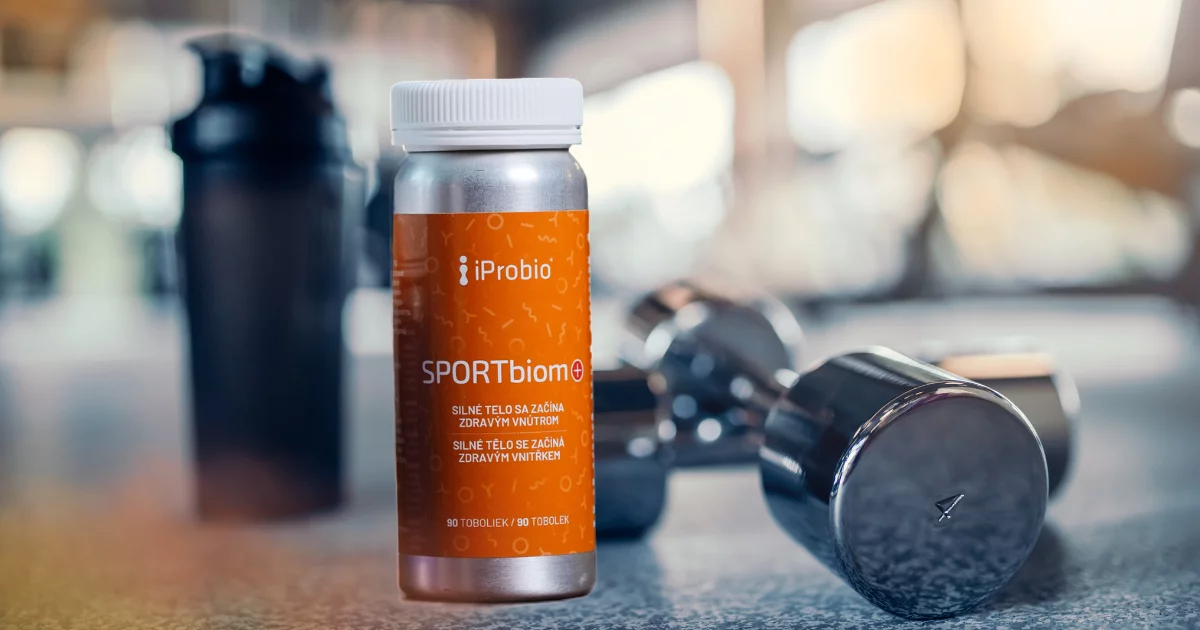
Then try SPORTbiom+® – the first probiotic for athletes on the market, specially developed to meet the needs of an active body. It contains a unique combination of bacterial strains and is enriched with polyphenols from sweet orange, magnesium malate, and B vitamins.
References:
[1] THURSBY, E. a JUGE, N. Introduction to the human gut microbiota. Biochemical Journal, 2017, vol. 474, no. 11, pp. 1823–1836. DOI: 10.1042/BCJ20160510.
[2] FU, J. et al. Dietary Fiber Intake and Gut Microbiota in Human Health. Microorganisms, 2022, vol. 10, no. 12, p. 2507. DOI: 10.3390/microorganisms 10122507.
[3] ZHANG, T. et al. Beneficial Effect of Intestinal Fermentation of Natural Polysaccharides. Nutrients, 2018, vol. 10, no. 8, p. 1055. DOI: 10.3390/nu10081055.
[4] MACFARLANE, G. T. a MACFARLANE, S. Bacteria, colonic fermentation, and gastrointestinal health. Journal of AOAC International, 2012, vol. 95, no. 1, s. 50–60. DOI: 10.5740/jaoacint.sge macfarlane.
[5] RÍOS-COVIÁN, D. et al. Intestinal short chain fatty acids and their link with diet and human health. Frontiers in Microbiology, 2016, vol. 7, p. 185. DOI: 10.3389/fmicb.2016.00185.
[6] MAKKI, K. et al. The impact of dietary fiber on gut microbiota in host health and disease. Cell Host & Microbe, 2018, vol. 23, no. 6, p. 705–715. DOI: 10.1016/j.chom.2018.05.012.
[7] GUAN, Z.W., YU, E.Z. and FENG, Q. Soluble dietary fiber, one of the most important nutrients for the gut microbiota. Molecules, 2021, vol. 26, no. 22, p. 6802. DOI: 10.3390/molecules 26226802.
[8] FERNÁNDEZ-LÁZARO, D. et al. The role of probiotics in exercise recovery and inflammation: A narrative review. Applied Sciences, 2023, 13(6): 3448. DOI: 10.3390/app 13063448.
[9] MACH, N. – FUSTER-BOTELLA, D. Endurance exercise and gut microbiota: A review. Journal of Sport and Health Science, 2017, 6(2): 179–197. DOI: 10.1016/j.jshs.2016.05.001.
[10] SCHEIMAN, J. et al. Meta-omics analysis of elite athletes identifies a performance-enhancing microbe. Nature Medicine, 2019, 25: 1104–1109. DOI: 10.1038/s41591-019-0485-4.
[11] PEDERSEN, B.K. a FEBBRAIO, M.A. Muscle as an endocrine organ: focus on muscle-derived interleukin-6. Physiological Reviews, 2008, 88(4), s. 1379–1406. DOI: 10.1152/physrev.90100.2007.
[12] GLEESON, M. et al. The anti-inflammatory effects of exercise: mechanisms and implications for the prevention and treatment of disease. Nature Reviews Immunology, 2011, 11(9), s. 607–615. DOI: 10.1038/nri304.
[13] MUÑOZ-CÁNOVES, P. et al. Interleukin-6 myokine signaling in skeletal muscle: a double-edged sword? FEBS Journal, 2013, 280(17), s. 4131–4148. DOI: 10.1111/febs.12338.
[14] CLAUSS, M. et al. Interplay Between Exercise and Gut Microbiome in the Context of Human Health and Performance. Frontiers in Nutrition, 2021, 8, 637010. DOI: 10.3389/fnut.2021.637010.
[15] CLARKE, S. F. et al. Exercise and associated dietary extremes impact on gut microbial diversity. Gut, 2014, 63(12), s. 1913–1920. DOI: 10.1136/gutjnl-2013-306541.
[16] BRESSA, C. et al. Differences in gut microbiota profile between women with active lifestyle and sedentary women. PLoS ONE, 2017, 12(2), e0171352. DOI: 10.1371/journal.pone.0171352.
[17] KELLMANN, M. et al. Recovery and performance in sport: consensus statement. International Journal of Sports Physiology and Performance, 2018, vol. 13, no. 2, pp. 240–245. DOI: 10.1123/ijspp.2017-0759.
[18] MEEUSEN, R. et al. Prevention, diagnosis, and treatment of the overtraining syndrome: joint consensus statement of the European College of Sport Science and the American College of Sports Medicine. Medicine & Science in Sports & Exercise, 2013, vol. 45, no. 1, pp. 186–205. DOI: 10.1249/MSS.0b013e318279a10a.
[19] BARTON, W. et al. The microbiome of professional athletes differs from that of more sedentary subjects in composition and particularly at the functional metabolic level. Gut, 2018, vol. 67, no. 4, pp. 625–633. DOI: 10.1136/gutjnl-2016-313627.
[20] JÄGER R et al. Probiotic Streptococcus thermophilus FP4 and Bifidobacterium breve BR03 supplementation attenuates performance and range-of-motion decrements following muscle damaging exercise. Nutrients. 2016 Oct 14;8(10):642. doi: 10.3390/nu8100642. PMID: 27754427; PMCID: PMC5084029.
[21] CARDONA F et al. Benefits of polyphenols on gut microbiota and implications in human health. Journal of Nutritional Biochemistry, 2013, vol. 24, no. 8, s. 1415-1422. DOI: 10.1016/j.jnutbio.2013.05.001. PMID: 23849454.
[22] CRESCENTI A. et al. Hesperidin bioavailability is increased by the presence of 2S-diastereoisomer and micronization—A randomized, crossover and double-blind clinical trial. Nutrients, 2022, vol. 14, no. 12, s. 2481. DOI: 10.3390/nu14122481.
[23] ZHANG X., ZHONG Y., RAJABI S. Polyphenols and post-exercise muscle damage: a comprehensive review of literature. European Journal of Medical Research. 2025;30:260. DOI: 10.1186/s40001-025-02506-6.

