Allergies? A healthy microbiome can help!
It's easier to avoid what you recognize. If you know what's triggering your allergies, eczema, or asthma, you've identified the enemy — and once you've identified the enemy, you know which tools to deploy in the fight.

In 2020, one in five Slovaks will suffer from allergies. Does that seem like a lot to you? This number continues to rise rapidly. It is predicted that by 2025, 2 out of 5 Slovaks will be allergic. Children are even more likely to suffer from allergies. There is no effective cure for a complete cure. [13]
However, recent scientific studies have found that although allergies cannot be effectively combated, it is possible to prevent their occurrence or at least alleviate their symptoms
How does an allergy develop?
An allergy is an exaggerated reaction of your immunity to a substance that is not normally harmful to you. Substances or particles to which allergy sufferers react disproportionately are called allergens.
The most well-known allergens include pollen, dust, latex, certain types of medicines, animal hair and saliva, and certain foods (milk, eggs, fish, peanuts, etc.). Whether you develop an allergy usually depends on a combination of many factors, such as environment, genetics, and so on.
Genetics
You may have acquired the genetic predisposition to allergies, but this does not mean that you will become allergic. It's up to epigenetics - the process responsible for what of your genetic inheritance actually manifests itself - to decide. This is where you take the helm of your destiny into your own hands. You decide how you live, whether you stress, eat well, exercise, whether you live in the city or the country, etc.
Histamine
When repeatedly confronted with allergens, the body of an allergic person begins to secrete histamine. This hormone affects the function of white blood cells (T-lymphocytes), which send signals to activate a strong immune response. Such a reaction in a healthy state serves to protect against something harmful from the external environment. In allergy sufferers, however, these reactions are exaggerated, causing allergy symptoms or leading to other unwanted complications. [10]
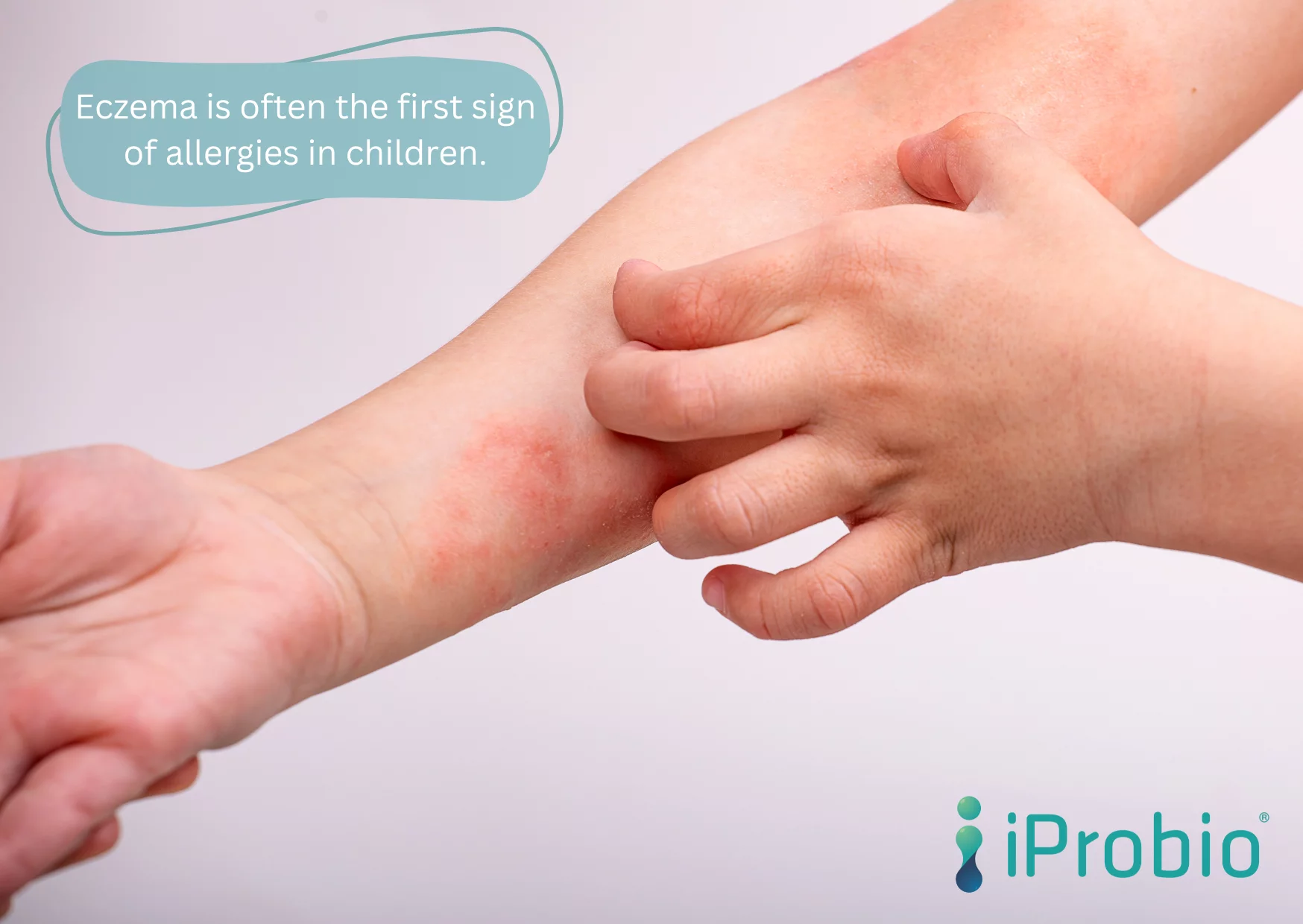
Figure 2: The first sign of allergy development in children is eczema
How does allergy most often manifest itself?
Symptoms vary depending on what substance you are reacting to [13]:
- Respiratory tract: if you are allergic to pollens, dust mites, dust, you sneeze when you inhale, your nose gets blocked, you have a runny nose, you cough and breathe heavily, you feel pressure in your chest
- Face: reacts with watery eyes, swollen eyelids, lips, tongue or whole face
- Digestive tract: food allergies alert you with a persistent abdominal pain, nausea, diarrhoea and possibly vomiting
- Skin: reacts to allergens with red rashes, eczema, hives or constant itching
In rare cases, allergies can also cause a more severe reaction, which is known professionally as anaphylaxis (anaphylactic shock). It is accompanied by the typical symptoms of allergy, but is also accompanied by disturbances of consciousness, confusion, respiratory failure due to airway constriction or heart failure. The first sign is usually skin manifestations. [17]
How to win over allergies
Allergies are as yet incurable diseases, i.e. we can use medicines to influence the strength of their manifestations, but a definitive cure is not yet possible. In recent years, scientists have been revealing that there is a unique, but historically long underestimated "organ" that can alter your immunity and also act as an effective prevention of allergies in both adults and children. This "organ" is called the microbiome.
Why is it important to have a healthy microbiome?
The gut microbiome is the collection of microorganisms and their genes that inhabit your gut. You are therefore one big and colourful world of microbes. You have even more of them on and in you than the cells of your body. Your microbiome is made up of up to several trillion microbes, most of which are important and beneficial bacteria. These bacteria play a variety of important functions in your body, such as:
- helping you to digest better,
- they control your immune system, the proper development and function of immune cells, [18]
- support the proper function of your nervous system,
- keep you mentally well,
- protect you from various pathogens - unwanted microbes,
- they produce different types of vitamins such as vitamin B, vitamin K and riboflavin.
The microbiome significantly affects your health, so it deserves the same care you give to your body.
The microbiome as an immunity trainer
A healthy microbiome in the body acts as an immune system trainer. As long as the immune system is properly trained, it reacts only minimally or appropriately to allergens. An imbalanced immune system, on the other hand, tends to overreact to allergens. You can change a weak (poorly trained) immunity by modifying the microbiome. A healthy microbiome positively influences the quality of life of allergy sufferers, eczema sufferers or asthmatics.
Up to 80% of the immune system is located in our gut. Thus, a disruption of the gut microbiome can mean a violation of immunity and therefore an increased likelihood of developing and progressing allergies and many infectious, chronic and autoimmune diseases
Why are allergies on the rise and can they be prevented?
For many decades, the so-called "hygiene theory" has been popular. The theory is that the increase in allergies in children is due to excessive cleanliness. We have protected children from any contact with germs (frequent washing, antibiotics, household disinfection, etc.) and therefore they have not developed a natural immunity to various diseases.
However, researchers have not yet found a link between household cleanliness and the development of allergies in early childhood. At the same time, it is becoming dangerous to follow this theory, because proper hygiene at this time protects you from many infectious diseases. However, this now outdated theory has laid the foundation for a new, scientifically confirmed theory called the "disappearing microbiome". [6, 11]
The latter says that the diversity of microbes in the human gut decreases due to environmental factors, such as whether a child grows up with siblings in the family, with pets, in the city or in the countryside, but is also affected by overuse of antibiotics, industrially highly processed foods, polluted air, or birth by caesarean section.
When the microbiome is not diverse enough, dysbiosis develops. Your body is depleted of important microbes that die or you simply have nowhere to get them from. Dysbiosis, the disruption of the microbiome in the gut, is thought to be directly responsible for the rising incidence of allergies in children and adults. Dysbiosis also accompanies the development of autoimmune diseases, celiac disease, diabetes, cardiovascular disease, obesity, autism and many others. [14, 15, 16]
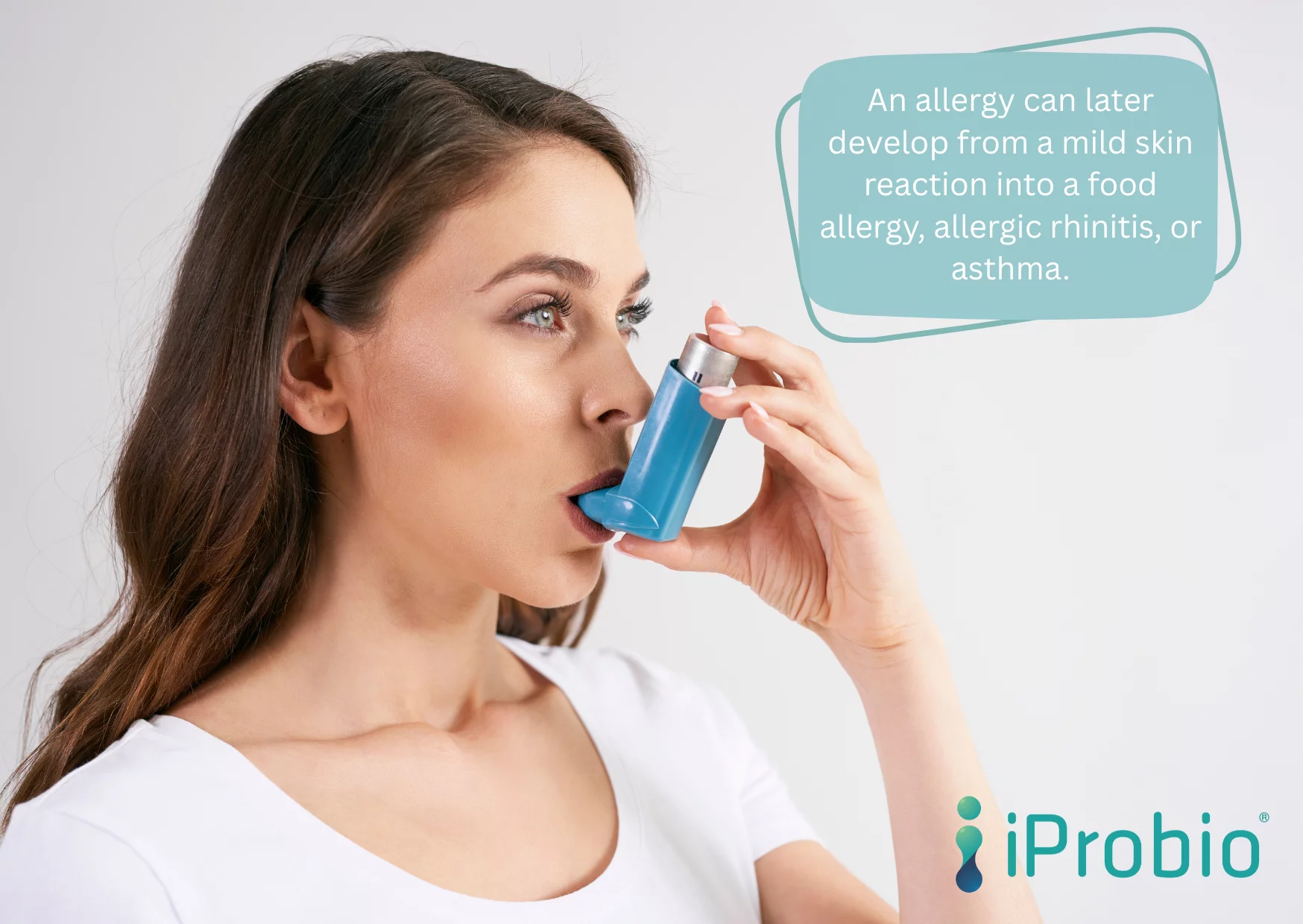
Figure 3: An allergy can develop from eczema into hay fever, asthma, or a food allergy.
5 tips to strengthen your microbiome
While a weak microbiome causes allergies, a balanced and varied microbiome positively affects your ability to cope with them. But how do you support it? The biggest influence on the health of your microbiome is lifestyle, i.e. a healthy, but especially varied and balanced diet, regular sleep and plenty of exercise. What attention do you pay to these elements?
What can you do right away for the health of your microbiome?
- Eat a varied, high-fibre diet.
- Move regularly - and it doesn't have to be extreme exercise, just walking for longer periods of time.
- Get enough sleep.
- Take appropriate probiotics and prebiotics - especially those that are lacking in your body.
- Limit your use of antibiotics.
Prebiotics
You can also help your bacteria by taking prebiotics - food supplements that support the growth and proper function of gut microbes. At iProbio, we have developed prebiotics and high flavonoid or flavobiotics Mikrobiom+®. These prebiotics have a proven effect on changing the microbiome:
- they adjust the balance of the microbiome,
- regenerate the intestinal wall and barrier,
- contribute to the natural production of butyrate.
Probiotics
Probiotics are a food supplement containing, in the right quantity and composition, live, beneficial microorganisms. They contribute to a healthy balance of your microbiome.
The human microbiome is home to several hundred species of bacteria, which are subdivided into different strains. Each strain performs a different function within the microbiome. This should be taken into account when choosing probiotics. The effects of different strains of probiotics are specific, so a different strain = different effect on a different area of your health.
Choosing the right bacterial strain is much more important than the amount of bacteria or the number of strains in one product. Furthermore, by choosing incorrectly, you can also harm yourself if, for example, with histamine intolerance, you are taking a strain that produces histamine. It is therefore preferable to use targeted preparations with 1-5 strains.
We have created ALLERGIC+® probiotics to improve the quality of life for allergy sufferers. Based on scientific research andclinical studies, we have carefully selected the right probiotic strains.
These develop the microbiome with friendly bacteria that cannot be supplied to the body by diet in sufficient quantities. Discover ALLERGIC+® Targeted ALLERGIC+ probiotics for allergy, asthma and eczema sufferers.

Figure 4: ALLERGIC+ targeted probiotics for people with atopic eczema and allergies
Take care of your microbiome. In the fight against allergies, it is the health of the microbiome that is crucial. It is influenced by a variety of factors, from your genetic makeup to the environment in which you live and raise your children. The microbiome is a dynamic environment that changes throughout life. That's why probiotics and prebiotics have great potential in preventing allergies and alleviating their symptoms.

